

Prescription drug prices have risen faster than inflation for many years. Data from the U.S. Bureau of Labor Statistics shows that a medication costing $100 in 2002 now costs about $455 for cardiovascular treatments in 2026. Some relief has arrived through new federal rules that cap insulin at $35 per month for many patients, down from an average of about $442 in recent years.
As a result of these rising costs, many people are turning to pharmacy discount cards. These cards promise substantial savings, sometimes slashing costs by 80% or 90%. They’re free and accepted at thousands of pharmacies nationwide.
Prescription discount cards can help reduce medication costs, but they also involve important considerations related to data privacy and insurance deductibles. Understanding how these cards work allows consumers to make informed decisions.
This guide explains how prescription discount cards work and highlights the best options available in 2026.
What Are Pharmacy Discount Cards?
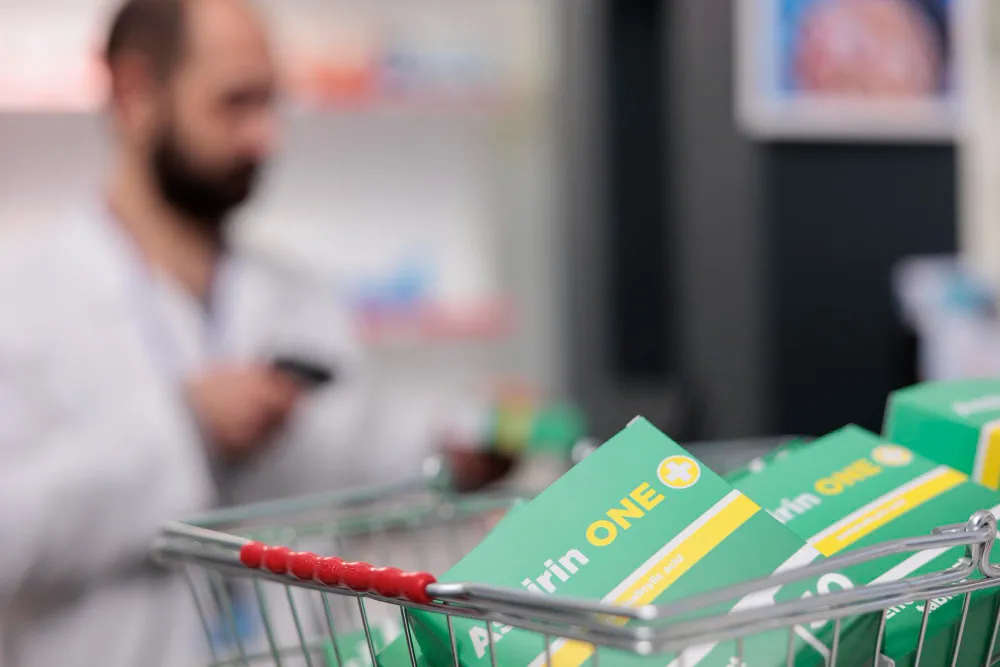
Think of a pharmacy discount card as a digital coupon for your prescriptions. It isn’t insurance and doesn’t count as health coverage. It’s simply a cash-pay option that can lower your pharmacy costs.
When you use a pharmacy discount card, you pay the discounted cash price instead of using your insurance. This distinction matters because of the common confusion around prescription card insurance, even though these cards are not insurance.
Many people think these cards add a discount on top of their insurance. In reality, it is an “either/or” choice. You use the card or your insurance. You can’t stack them.
How Do Pharmacy Discount Cards Work?
Pharmacy discount cards work through partnerships between pharmacies and companies called Pharmacy Benefit Managers (PBMs). Here’s what actually happens when you use one.
Using Prescription Discount Cards at the Pharmacy Counter
When you show a card to the pharmacist, they enter a set of codes (BIN, PCN, and Group numbers) into their system. These codes connect the pharmacy to a PBM’s network. The PBM has already pre-negotiated a price for that specific drug at that specific location.
You might notice that the price for the same 20mg Lisinopril script changes from month to month. This happens because the wholesale price of the drug fluctuates, and PBMs adjust their rates constantly. It’s also why your local CVS might charge a different price than Walgreens across the street for the same pill.
Using Pharmacy Discount Cards Without Insurance
For the uninsured individuals, pharmacy discount cards are often the only way to avoid paying the full retail price (which is almost always inflated). In some cases, even if you have insurance, these cards can still be beneficial.
If your insurance has a high deductible, you are paying the negotiated insurance rate out of pocket until you hit that limit. Sometimes, the discount card rate is actually $20 or $30 cheaper than the insurance rate.
Just remember: if you use a discount card, the money you spend usually does not count toward your insurance deductible.
Do Pharmacy Discount Cards Really Save You Money
The honest answer is: it depends on your specific medication and your current insurance situation. Not all medications get the same level of discount, and sometimes your insurance copay might actually be cheaper than the discounted price. Here’s how it typically breaks down:
- Generics: This is where the most significant savings occur. You can often find generics for 80% or 90% off.
- Brand Names: These cards rarely offer significant discounts on expensive brand-name drugs. For such medicines, you usually need a manufacturer’s coupon directly from the drug company.
Limitations of Pharmacy Discount Cards
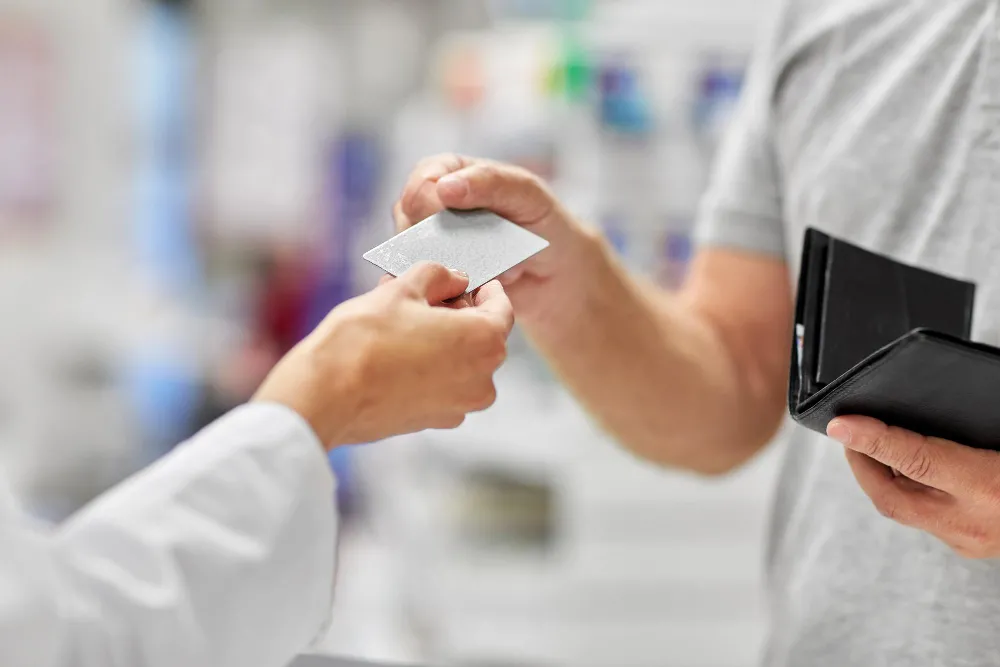
Nothing is truly free, and these cards are no exception. There are a few hidden costs that don’t show up on your receipt.
1. Price Changes You Can’t Control
Since Prescription discount card providers use real-time pricing algorithms, the price you see on your phone at 10:00 AM might be different by the time you drive to the pharmacy at 2:00 PM. This instability makes it hard for people on fixed incomes to budget for chronic medications.
2. Privacy and Data Concerns
Most discount card companies are not covered entities under HIPAA. So, they aren’t bound by the same strict privacy laws as your doctor or insurance company. When you sign up, you may be giving them permission to track your medication history and share it with third-party advertisers. Always read the fine print about how your health data is used.
3. Why Some Pharmacies Don’t Like Discount Cards
Every time a pharmacist processes one of these cards, the pharmacy has to pay a transaction fee back to the card company. For a small, independent pharmacy, this fee, combined with the low drug price, can result in a financial loss on the sale. This is why some local shops may refuse prescription discount cards.
Best Prescription Discount Card Options in 2026
If you want to save the most, it helps to know which cards are currently leading the market. These are the cards worth checking out right now.
1. SingleCare
What sets SingleCare apart is how it handles multiple prescriptions. Instead of forcing you to compare prices one drug at a time, their tool lets you enter your entire medication list and see which pharmacy gives you the best total price.
If you are juggling three or four monthly refills, this feature alone can save you a trip across town. The card works at over 35,000 pharmacies and claims savings up to 80% on many prescriptions.
2. GoodRx Gold
Most people know about the free GoodRx card, but their paid version, GoodRx Gold, takes things up a notch. For $9.99 a month (or $19.99 for families), you get access to deeper discounts that can hit 90% off retail prices.
They also offer perks, such as free mail delivery for certain medications. If your household regularly fills multiple prescriptions, that monthly fee usually pays for itself after just one or two refills.
3. America’s Pharmacy
This platform connects you to over 59,000 locations. Their app is straightforward and designed for quick refills without overwhelming features.
Conclusion
Pharmacy discount cards are powerful tools, but they aren’t a one-size-fits-all solution. They work best when you use them strategically by checking prices against your insurance copay every single time you refill.
However, finding a cheaper pill is only half the battle. Often, the highest cost is the doctor’s visit required to get the prescription in the first place. This is where Simple Consult can help.
We offer a $29 flat-fee virtual care service for prescription refills and common conditions like high blood pressure, asthma, and UTIs. Our licensed U.S. providers can send your e-prescription to the pharmacy the same day. You don’t need any insurance, and there are no hidden fees.The key is staying informed. Compare prices before each refill, ask your pharmacist for the cash price, and use Simple Consult for a fast, affordable way to keep your prescriptions current.







Add comment