

A urinary tract infection often begins with subtle symptoms, like a slight burning sensation during urination or a persistent urge to empty your bladder. At first, it seems manageable, so you might try to ignore it.
But the discomfort typically escalates quickly. As the irritation increases, every bathroom trip becomes distressing. That is when you might begin searching for a home remedy for UTI, hoping for quick relief instead of waiting weeks for a traditional appointment.
While some at-home methods can offer real UTI pain relief and help your body recover, others are based on myths and only delay proper treatment.
This guide explains what may help and what you should avoid to prevent the infection from spreading.
Symptoms of Urinary Tract Infection

Before you try to figure out how to treat UTI at home, you should be sure you are actually dealing with an infection or just an overactive bladder due to excessive water intake. Most people notice a sudden, frequent urge to pee, even if only a few drops come out. This is often accompanied by a stinging or burning feeling in the urethra.
Common indicators of UTI include:
- A persistent, strong urge to urinate
- Burning sensations during urination
- Cloudy, dark, or blood-tinged urine
- Strong-smelling urine
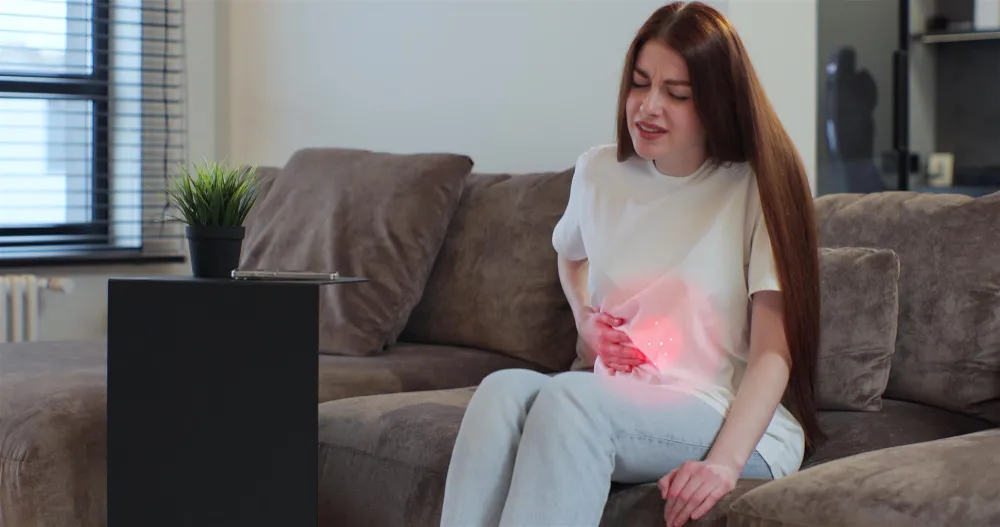
- Pelvic pressure or lower abdominal pain
- Mild fever
How Doctors Diagnose a UTI
Doctors diagnose a UTI by looking at your symptoms and taking a sample of your urine. A urinalysis checks for early signs of infection like white blood cells and nitrites, and if the result is unclear, a urine culture confirms the bacteria and shows which antibiotic will work best.
You do not always need a lab, though. When a woman has the classic signs, such as burning during urination and a constant urge to go, a provider can often diagnose and treat from the symptoms alone. That is one of the most common ways of how an uncomplicated UTI is diagnosed, and testing matters more during pregnancy, in men, or when infections keep returning.
Urine Test and Culture
The urinalysis is the fast screening test and can flag an infection within minutes by detecting white blood cells, which signal inflammation, and nitrites, which several common UTI bacteria produce. A negative result does not always mean there is no infection, so your symptoms still count alongside the test.
The urine culture test is slower but more precise. It grows the bacteria over a day or two, identifies the exact type, and shows which antibiotics will work, which helps most when a first round of treatment did not.
UTI vs Vaginal Infection Confusion
A UTI and a vaginal infection are easy to confuse because both cause discomfort in the same area. The difference is where the symptoms sit. A UTI brings burning during urination and a frequent, urgent need to pee, while a yeast infection or bacterial vaginosis tends to cause discharge, itching, or an unusual odor.
Telling a UTI apart from a vaginal infection is important, because confusing them and treating one as the other lets the real problem continue.
| Symptom | More likely a UTI | More likely a vaginal infection |
| Burning during urination | Common | Sometimes |
| Frequent, urgent need to pee | Common | Uncommon |
| Cloudy or blood-tinged urine | Common | Rare |
| Discharge | Rare | Common |
| Itching or odor | Rare | Common |
Some sexually transmitted infections, such as chlamydia, also cause burning during urination that feels like a UTI, and a urine culture will not detect them. If your symptoms do not add up, ask a provider for further evaluation.
Conditions Often Mistaken for UTI
Not every burning sensation or sudden urge to urinate is caused by a UTI. When you are unsure whether your symptoms are caused by a UTI or something else, three causes come up most often: an overactive bladder, a vaginal infection, and kidney stones, and each one needs different treatment.
Overactive Bladder
An overactive bladder creates a sudden, strong need to urinate, often several times a day, yet without an underlying infection, so a urine test usually comes back clean. The clearest difference is pain: a UTI stings when you urinate, while an overactive bladder brings urgency without the burning. If your tests stay clear but the urge does not improve, our guide on frequent urination explains the other causes worth considering.
Vaginal Infections
Yeast infections and bacterial vaginosis can feel like a UTI because they irritate the same area, but they usually show up as discharge, itching, or odor rather than burning during urination. Chlamydia and gonorrhea can also cause painful urination that mimics a UTI, and because they are treated differently, a medical evaluation is the best way to confirm the cause.
Kidney Stones
Kidney stones cause a sharper, deeper pain in the side or lower back that often comes in waves and can travel toward the groin, usually with blood in the urine and nausea. A UTI, by comparison, causes a steady burning low in the pelvis rather than this intense, shifting pain, and because a stone and an infection can occur together, should be evaluated by a healthcare provider.
UTI Home Remedies That Work
When you’re looking for home remedies for UTI that work fast, it’s important to distinguish between curing the infection and managing symptoms, as home remedies focus only on symptom relief.
These remedies help ease the pain and support your body’s natural defenses. However, they cannot fully eliminate a bacterial infection on their own. That is why they work best when combined with proper medical treatment like antibiotics.
Here’s how to get rid of UTI fast with simple home remedies.
1. Stay Well-Hydrated Throughout the Day
Start with your water intake. Drinking roughly 1.5 to 2 liters (about 50 to 60 ounces) of water daily dilutes your urine. Proper hydration makes it less acidic and less painful to pass.
More importantly, urinating often helps flush bacteria out of the urinary tract before they can spread. This natural flushing supports recovery and reduces irritation.
While healing, it is best to avoid coffee, soda, and alcohol. These drinks irritate the bladder and can make the constant urge to urinate more intense and painful.
2. Use Heat for Pain Management
A lot of UTI discomfort comes from bladder spasms and muscle tension in the pelvic floor. Applying a heating pad to your lower abdomen can provide significant temporary UTI pain relief. The heat increases blood flow to the area and helps relax the muscles.
If you don’t have a heating pad, a warm bath can help, but skip the bubble baths or scented oils. Chemicals in those products can further irritate the urethra. While heat helps with the pain, remember it doesn’t kill the bacteria; for that, you likely need medical assistance.
3. Take Vitamin C Supplements
Vitamin C (ascorbic acid) is a popular UTI home remedy because it may change the chemistry of your urine. By making the urine more acidic, it can create an environment where bacteria find it harder to grow. You can find this naturally in bell peppers, oranges, and strawberries.
However, if your bladder is already sensitive, avoid drinking too much highly acidic juice, as it can increase irritation. Supplements are often a better option because they are gentler on the stomach and provide a more consistent dose.
4. Don’t Hold Your Urine
One of the most effective UTI treatments at home is simply listening to your body. When you feel the urge to go, head to the bathroom immediately. Holding it in allows bacteria to multiply rapidly in the warm environment of the bladder.
Make an effort to empty your bladder completely every few hours. This is especially vital after sexual activity, as friction can push bacteria toward the urethra. Frequent urinary tract clearance is the best way to keep bacteria levels low.
5. Wear Breathable Cotton Underwear
Moisture promotes the growth of bacteria. Synthetic fabrics like nylon or polyester trap heat and sweat near the entry of the urinary tract. It is better to switch to 100% cotton underwear that allows better airflow and keeps the area dry. During an active infection, avoid tight jeans or leggings. Keeping things loose and dry is a simple hygiene step that helps prevent the infection from getting worse or coming back.
6. Consider Probiotics for Urinary Health
Probiotics, specifically those containing Lactobacillus strains, can support urinary health. They help maintain a protective barrier to keep harmful bacteria from entering the urinary tract.
These good bacteria help maintain a healthy balance in both the gut and the vaginal flora. When good bacteria thrive, there is less room for harmful E. coli to take over.
You can get these through supplements or fermented foods like Greek yogurt and kefir. While they are better at preventing future UTIs than stopping a current one, they are a helpful part of long-term recovery.
View More: Early Signs of a UTI
Unproven UTI Treatments at Home That Can Delay Treatment

Many people try home remedies they have heard about from family, friends, or the internet. These methods sound helpful, but most lack strong medical evidence.
Relying on untested remedies for too long can be risky. While you are waiting for them to work, a mild UTI can worsen and spread to the kidneys. That is why it is important to know which home treatments are myths and should not replace professional medical care.
1. Drinking Cranberry Juice
This is perhaps the most famous home remedy for UTI, but not backed by science. Cranberries contain an ingredient called A-type proanthocyanidins (PACs), which theoretically stop bacteria from sticking to the bladder wall.
However, most store-bought cranberry juice is loaded with sugar and has very little of this active ingredient. In fact, the sugar in the juice can actually help feed the bacteria you are trying to clear. It does almost nothing to treat an infection that has already started. If you enjoy the taste, drink it, but don’t expect it to treat your symptoms.
2. Use of D-Mannose
D-Mannose is a type of sugar related to glucose. The idea is that the bacteria will bind to the D-Mannose in your urine and get flushed out instead of sticking to your bladder. While some early studies are promising, there is no standardized dose, and it isn’t a guaranteed fix. If you choose to try it, discuss it with a licensed provider first. Never use it as an excuse to delay a professional consultation if your symptoms are worsening.
When a UTI Becomes Dangerous
A UTI becomes more serious when the infection travels up from the bladder to the kidneys. This is called a kidney infection, or pyelonephritis, and it usually brings fever, chills, and pain in the back or side. Left untreated, it can damage the kidneys over time or spread into the bloodstream.
Recognising when a UTI becomes serious helps you know when to seek prompt treatment. Around 1 in 30 UTIs progresses to a kidney infection, and the risk grows the longer for those who goes untreated.
Signs Infection Is Spreading to Kidneys
The clearest kidney infection symptoms are fever, chills, and a deep ache in the back or side, usually with a general feeling of being unwell. Once these appear alongside the usual UTI signs, the infection may have spread to the kidneys.
Watch for any of the following:
- Fever, often with chills
- Pain in the lower back, side, or under the ribs
- Nausea or vomiting
- Blood in the urine
- Feeling unusually tired or unwell
When fever and back pain appear together, see a provider rather than continue home care. The NIDDK notes that early treatment prevents most complications.
When Antibiotics Are Required Immediately
Some situations call for antibiotics straight away: a fever with back pain, pregnancy, a UTI in a man, diabetes or a weakened immune system, or symptoms that have not improved after 24 to 48 hours of home care. Older adults should also seek prompt medical care, because a UTI can appear as sudden confusion rather than the usual burning. In these cases, a licensed provider can review your symptoms through online UTI treatment and, when appropriate, send a prescription to your pharmacy the same day for a flat $29.
Conclusion
A home remedy for UTI that provides comfort is great, but don’t let it give you a false sense of security. Hydration, heat, and hygiene are excellent for managing the pain, but they rarely eliminate a stubborn bacterial infection on their own.
The danger of waiting too long is that the infection can lead to permanent kidney damage or even sepsis.
If your symptoms persist beyond 24 to 48 hours despite home care, it is essential to get a professional opinion. You don’t have to worry about high costs, long waits, or needing insurance. Simple Consult provides a fast, 100% online alternative for just a $29 flat fee.
Our licensed U.S. providers can review your symptoms and send a prescription to your pharmacy the same day if appropriate. Taking action early is the best way to stop the pain and get back to your normal life without the risk of complications.
Frequently Asked Questions
Can a UTI go away without antibiotics?
Around 25 to 42 percent of mild, uncomplicated UTIs in women clear up on their own within a week, but you cannot tell which ones will, so waiting is not safe if you are pregnant, have diabetes, or get UTIs often.
How long does a UTI last?
A simple bladder infection usually improves within one to two days of starting antibiotics, with a full course of about three to seven days. A kidney infection takes longer, often around 14 days.
Does cranberry juice help a UTI?
Cranberry may lower the chance of future UTIs in some people, but it does not reliably treat an active infection, and most cranberry juice is high in sugar. If you enjoy it, choose an unsweetened version, and see our guide on recurrent UTIs for prevention.
When should I see a doctor for a UTI?
See a provider if your symptoms last longer than 24 to 48 hours, get worse, or come with fever, back pain, nausea, or blood in your urine. Seek care sooner if you are pregnant, a man, have diabetes, or get UTIs frequently.
What is the fastest UTI relief?
For a bacterial UTI, antibiotics are the treatment most likely to relieve symptoms quickly, since most people feel better within one to two days. While you wait, steady hydration, a heating pad on the lower abdomen, and an over-the-counter urinary pain reliever can ease the discomfort without curing the infection.










Add comment