
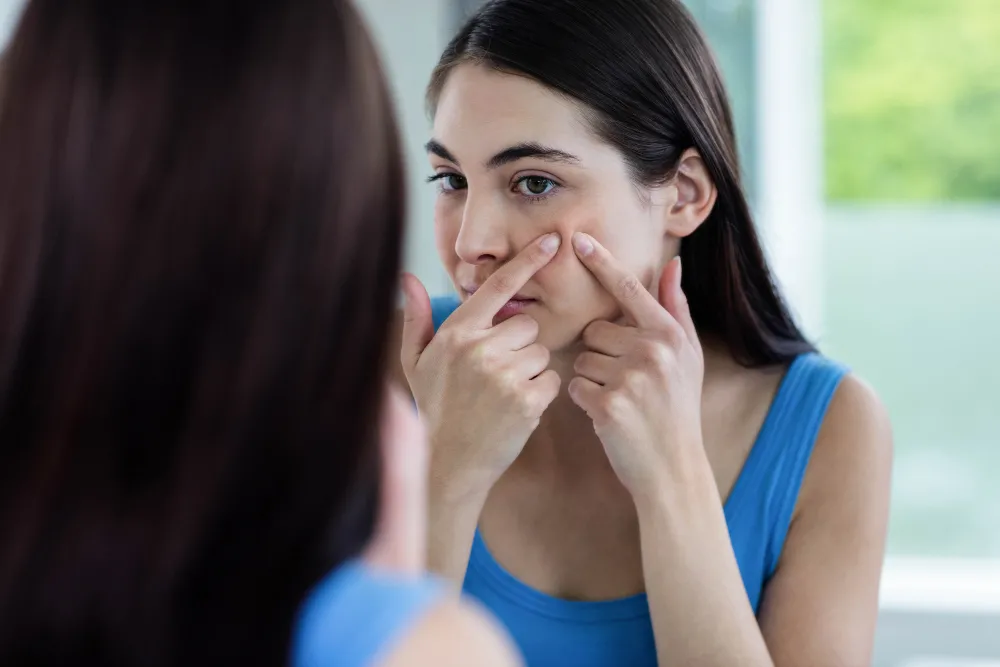
Research shows that acne-associated post-inflammatory hyperpigmentation is more common in individuals with darker skin tones. Dermatology reviews explain that inflammatory acne can trigger excess melanin production, which leads to pigment marks that remain after breakouts heal.
These red or dark spots may last for months or even years without proper treatment. Sun exposure can deepen discoloration, while picking at breakouts often increases both intensity and duration.
This guide explains how to get rid of acne marks using proven medical treatments and dermatologist-recommended prevention strategies.
Why Do Acne Marks Appear After Pimples Heal?
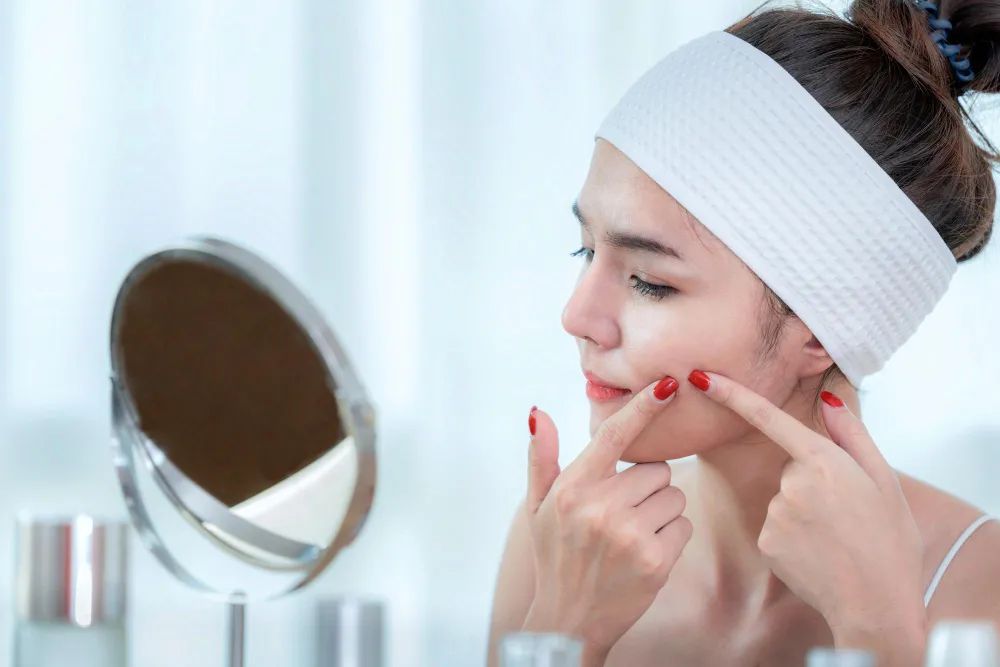
When your skin develops a blemish, it triggers an inflammatory response. You can think of it as a small injury. As your skin heals, the body may produce excess melanin or leave behind dilated blood vessels. This process leads to flat brown, purple, or red marks on the skin.
Doctors call the dark spots Post-Inflammatory Hyperpigmentation (PIH) and the red ones Post-Inflammatory Erythema (PIE). These aren’t true scars because they haven’t changed your skin’s texture yet. They are just shadows of the old inflammation.
However, if the inflammation is deep enough, it can damage collagen and lead to permanent pitted scars. This is why it’s important to understand how to remove marks of acne before they become a permanent part of your skin’s texture.
How To Get Rid of Acne Marks on Your Face With Effective Treatments
If you want real results, you have to move past basic home remedies and look at clinical options. Here is a breakdown of the top procedures that licensed providers use to clear the skin.
1. Laser and Light Therapy
Laser treatments are often considered very effective for treating stubborn spots. Different lasers target different problems. For instance, a V-Beam or pulsed-dye laser targets the red blood vessels in PIE, effectively shrinking the redness.
If your marks are brown, a Q-switched or Pico laser can shatter the excess pigment so your body can naturally filter it out. These treatments are precise and usually require only a few sessions to show a significant difference.
2. Chemical Peels and Facial Treatments
A professional chemical peel uses high concentrations of acids. These acids include:
- Glycolic Acid
- Salicylic Acid
- Trichloroacetic Acid
The acids remove the damaged top layer of skin. This process forces your skin to produce new, healthy cells more quickly.
A chemical peel is not like the weak peels you buy at a drugstore. A medical-grade peel can reach the deeper layers where the pigment lives. It is an effective way to get rid of red marks on your face fast because it literally peels away the discoloration.
3. Dermal Filler Injections
While fillers are famous for lips and cheeks, they are also a secret weapon for atrophic (pitted) acne marks. If an acne mark has left a small dent in your skin, a provider can inject a tiny amount of hyaluronic acid filler. Sometimes, just 0.1cc to 0.5cc per spot to lift the skin back to a level surface. The results are instant, though you may need a follow-up session every 6 to 12 months.
4. Subcision Technique
Subcision is often the best option for rolling marks that appear as waves on the skin. A doctor uses a specialized needle to go beneath the skin and break up the fibrous bands that pull the skin downward. By releasing these bands, the skin pops back up to a flat position. It sounds intense, but it is a standard, highly effective clinical procedure.
5. TCA CROSS Method
This stands for Chemical Reconstruction of Skin Scars. This process is used specifically for ice pick marks, which are very narrow but deep. A provider takes a high-concentration TCA solution (often 70% to 100%) and applies it directly into the bottom of the mark with a toothpick-sized applicator. This causes a local reaction that triggers collagen production to fill the hole from the bottom up.
Types of Acne Scars and Which Treatment Works Best
Acne scars generally fall into two main categories. Depressed scars form below the skin’s surface when an acne breakout damages collagen during the healing process. Raised scars develop above the skin’s surface when the body produces excess collagen in response to inflammation or injury in a specific area.
Choosing the right solution depends entirely on the type of scar you have. Matching the treatment method to the scar type is far more critical than choosing a popular or widely discussed procedure.
Understanding the difference between acne marks and acne scars is equally important when evaluating treatment options. An acne mark is a flat change in skin color, such as the red or brown spots left behind after inflammation.
An acne scar changes the skin’s physical texture, causing the surface to dip inward or rise above the surrounding skin. While flat marks may fade over time with the right skincare routine, structural scars usually require a professional procedure to rebuild, smooth, or release the damaged tissue.
Understanding your scar type prevents unnecessary spending and frustration. A laser treatment designed to remove flat brown marks will provide very little benefit for a deep ice pick scar. Similarly, a dermal filler that lifts a rolling scar will not flatten a raised keloid. Identifying the exact nature of your skin concerns is an essential first step before scheduling any clinical treatments.
Ice Pick, Boxcar, and Rolling Scars
These three variants are the most common types of depressed scars, and each type requires a different clinical approach.
- Ice Pick
Ice pick scars are narrow and deep, appearing as though the skin is punctured by a small pin. Because they extend far into the deeper layers of the skin, surface-level therapies are rarely effective. Successful ice pick acne scar treatment usually requires the specialized trichloroacetic acid method known as TCA CROSS, or punch excision techniques, where a professional removes the scar tissue entirely to let the skin heal flat.
- Boxcar scars
Boxcar scars are wider with sharp, vertical edges that look similar to chickenpox marks. Since these scars have steep walls but a broad base, boxcar acne scar treatment typically responds well to laser resurfacing, professional microneedling, or subcision if the scar tissue is pulled down tightly from below.
- Rolling scars
Rolling scars are wide and shallow with soft, wavy margins that give the skin an uneven appearance under certain lighting conditions. They develop when fibrous bands anchor the surface of the skin to deeper tissues.
Effective treatment for rolling acne scars typically involves subcision, a procedure that mechanically releases the fibrous bands pulling the skin downward. To further improve results, providers often combine subcision with dermal fillers to elevate the depressed area and create a smoother skin surface.
The table below outlines how specific depressed scars match with common clinical solutions:
| Scar Type | What It Looks Like | Common Treatment |
| Ice pick | Narrow, deep, pin-like punctures | TCA CROSS, punch removal |
| Boxcar | Wide depressions with sharp edges | Laser resurfacing, microneedling, and subcision |
| Rolling | Wide, shallow, wavy depressions | Subcision, dermal filler injections |
How Long Do Acne Mark Treatments Take to Show Results?
The best treatment for acne marks takes weeks to months. Flat discoloration fades slowly because your skin has to shed the pigment one layer at a time. Texture treatments take even longer because rebuilding collagen is a slow process that the body controls on its own schedule.
For flat marks, topical ingredients like Vitamin C and Azelaic acid usually show a visible change in six to twelve weeks of daily use. That timing lines up with how skin cells turn over, which is roughly a month.
If you started using a new cream last week and have not noticed any improvement yet, that is completely normal. Skin renewal takes time, so when wondering how long acne marks take to fade, it is best to allow at least one full skin cycle before evaluating a product’s effectiveness.
Different acne scar treatments produce results on different timelines. Fillers can create a visible improvement the same day because they physically lift depressed areas of the skin. Collagen treatments like microneedling, subcision, and certain lasers require three to six sessions spaced about four weeks apart, and the real improvement continues to build for months after the last visit. Patience is important here, so try not to switch methods after just one session.
How to Quickly Fade Acne Marks
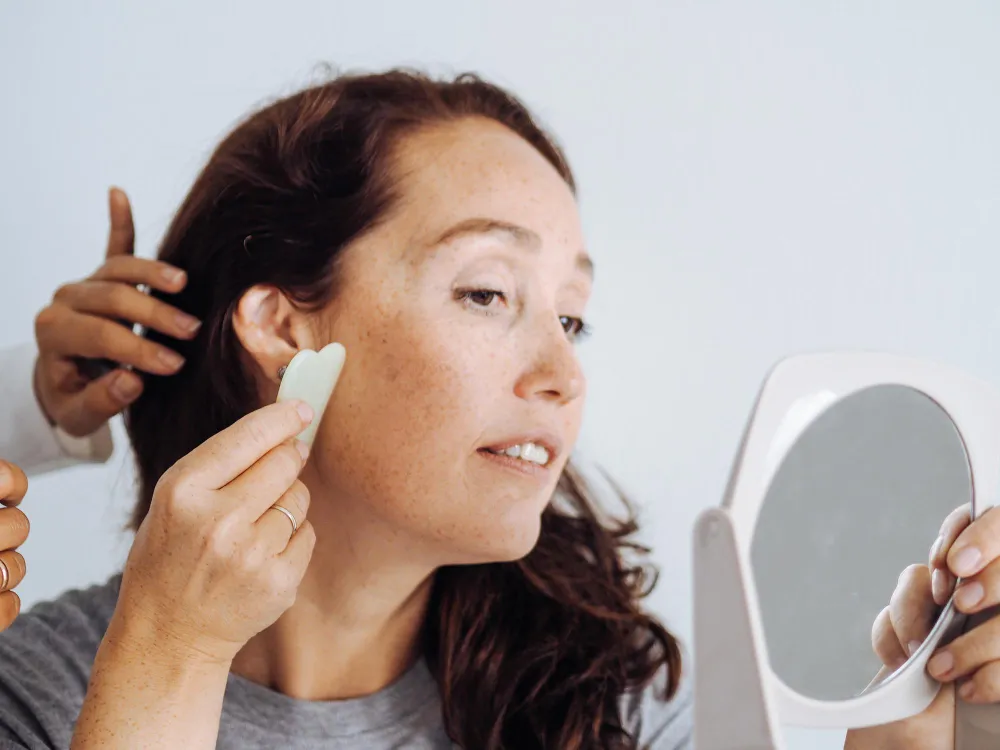
If you cannot get to a clinic right away, you can still take steps at home to speed up the process. The most important rule is to wear sunscreen with SPF 30 or higher every day. Sun exposure makes marks darker and harder to treat.
You should also look for ingredients like Vitamin C, Niacinamide, and Azelaic acid in your skincare. These ingredients help block the enzyme that creates extra pigment. If you combine these topicals with a gentle retinoid at night, you will start understanding how you can get rid of acne marks without needing surgery. Patience is key here, as skin cells take about 30 days to turn over.
When to See a Doctor About Your Acne Marks
It is time to seek professional help if your marks haven’t faded after three months of consistent home care. A licensed provider can assess your specific skin type and tell you exactly how to get rid of acne and acne marks fast by prescribing medical-grade creams or suggesting the right procedure.
At Simple Consult, we make this process easy. You don’t have to wait weeks for a dermatologist appointment. For a $29 flat fee, you can have a virtual visit with a licensed U.S. provider. We provide prescription-level care for common skin issues without the need for insurance. Getting a professional consultation early can prevent temporary marks from turning into permanent scars.
What Not to Do When Treating Acne Marks
Skin irritation can slow the fading of acne marks and make discoloration more noticeable. Marks generally improve more quickly when the skin is allowed to heal in a calm, protected environment. Picking, scrubbing, and piling on harsh products do the opposite, and they often turn a mark that would have faded into one that sticks around for months. That is why avoiding common mistakes is just as important as following the right treatment plan.
- Do not pick or squeeze. Every time you pick at or press on a healing spot, you can trigger additional inflammation, which may increase post-inflammatory pigmentation and damage collagen enough to leave a permanent scar.
- Do not scrub aggressively. Grainy face scrubs and rough cloths feel like they are cleaning, but they tear the skin that is already healing. Gentle washing does the job without the damage.
- Do not stack too many actives at once. Layering a strong retinoid, an acid, and a Vitamin C serum on the same night often leaves skin red, raw, and more reactive. Introduce one active at a time and give your skin a few weeks to adjust.
- Do not skip sunscreen. This step plays a critical role in fading acne marks. Sun exposure can darken marks and undo the progress from your other products. Broad-spectrum SPF 30 or higher, every single day, is the cheapest treatment on this whole list.
Treat Active Acne First to Prevent New Marks
You cannot stop acne marks from forming while new breakouts keep happening. Every fresh pimple has the potential to leave its mark or scar behind. So treating active acne first is the single most useful step for anyone tired of watching old marks fade while new ones appear. Control the source, and you can stop adding to the pile.
This is where many people get stuck. They spend money on lasers and serums for old marks, yet ignore the breakouts still showing up every week. Calming active acne with the right prescription routine lowers the inflammation that drives post-inflammatory hyperpigmentation and post-inflammatory erythema in the first place.
If acne breakouts continue to return despite your skincare efforts, a licensed provider can help identify the underlying cause and recommend an appropriate treatment plan. You can start an online acne consultation or handle an acne prescription refill without waiting weeks for an in-person appointment. Get acne under control, and your skin will have a better chance to heal and allow existing marks to fade over time.
Final Thoughts
So, how can you get rid of acne marks? Skin clearance from acne marks requires the right procedures and discipline. While those red and brown spots are annoying, they don’t have to be permanent. When you combine sun protection, the right topical ingredients, and professional treatments when necessary, you can get back to clear skin soon.
Frequently Asked Questions
How long do acne marks usually take to fade?
Without treatment, a typical mark can take 3 to 6 months to disappear. However, if the mark is deep or you spend a lot of time in the sun without protection, it may last for over a year.
Can acne marks disappear completely on their own?
Flat marks (discoloration) usually fade as your skin naturally exfoliates. But textural scars, such as deep pits or raised bumps, rarely go away without medical intervention, such as lasers or Subcision.
What causes acne marks to stay on the skin for months?
The biggest factor is UV exposure. The sun tans the mark, deepening the pigment. Constant picking or irritating the skin with harsh scrubs can also keep the area inflamed and slow down the healing process.
Are acne marks the same as acne scars?
A mark is just a change in color, like red or brown, on a flat surface. On the other hand, a scar involves a change in the skin’s structure, which means the skin is either indented or raised. Marks are much easier and faster to treat than scars.
How do you get rid of acne marks?
You can get rid of acne marks by protecting the skin with daily sunscreen and using ingredients like Vitamin C, Niacinamide, and Azelaic acid to fade pigment over time. For stubborn or deeper marks, professional treatments such as lasers, chemical peels, or a prescription plan from a licensed provider work faster. Most flat marks fade within a few months, while textured scars usually need an in-office procedure.
Can sunscreen help acne marks fade faster?
Sunscreen helps acne marks fade faster by stopping the sun from darkening them while they heal. UV exposure deepens pigment and slows recovery, so daily protection keeps your other treatments working. Use a broad-spectrum SPF 30 or higher every morning, even on cloudy days and indoors near windows.
Which treatment works best for red acne marks?
Red acne marks, known as post-inflammatory erythema acne, often respond best to vascular lasers or light-based treatments that target the small blood vessels causing the redness. Gentle skincare and daily sunscreen help too. A provider can confirm the safest option once they look at your skin, since redness fades differently from brown pigment.
Can microneedling help with acne marks or acne scars?
Microneedling helps textured acne scars more than flat marks. It uses tiny needles to create controlled micro-injuries, which prompt the skin to build fresh collagen and smooth out depressed scars over time. Most people need several sessions spaced a few weeks apart. For flat discoloration, topicals and sunscreen usually work better.
Should active acne be treated before acne marks?
Treating active acne first prevents new marks and scars from forming while your old ones fade. Ongoing breakouts keep triggering the inflammation that causes pigment and texture changes, so calming the acne removes the source of future damage. Once your skin stays clear, mark treatments have a real chance to last.
Do natural remedies remove acne scars?
Natural remedies do not remove acne scars. Ingredients like aloe vera or green tea may soothe irritation and support healing, but they cannot rebuild lost collagen or break down deep pigment. Visible scars and stubborn discoloration usually need professional treatments such as lasers, microneedling, or a prescription plan from a licensed provider.
Are acne scar treatments safe for darker skin tones?
Many acne scar treatments are safe for darker skin tones, but they must be chosen carefully. Some lasers and strong peels carry a higher risk of extra pigmentation on deeper skin, so the settings and method need adjusting. A licensed provider who understands skin of color can guide you toward the safest and most effective option.








Add comment