

That heavy, painful pressure behind your eyes usually means your sinuses are in trouble. A sinus infection happens when the small, air-filled spaces in your face get blocked and filled with thick fluid. It feels much worse than a basic cold because the pressure affects your teeth and forehead.
Most people reach for a bottle of antibiotics the second they feel sick. However, this is often a mistake because many treatments do not actually work. Understanding which remedies are effective can help you get the best treatment for a sinus infection without wasting money.
In this guide, we will break down the most effective ways to find relief for a sinus infection. We will also understand how to treat a sinus infection so you can get back to your normal routine quickly.
What Is a Sinus Infection?
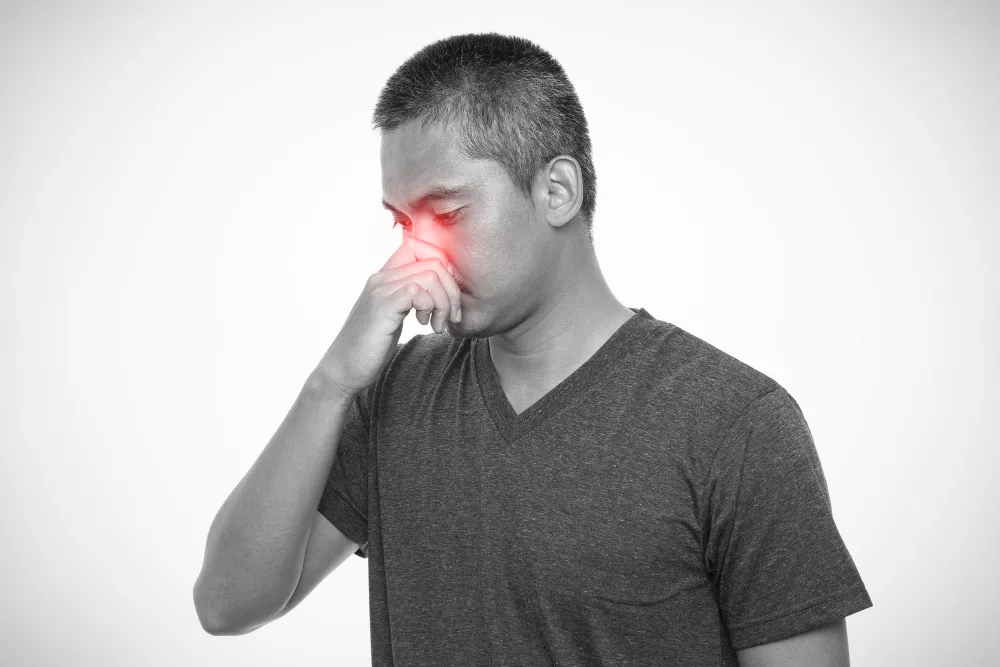
A sinus infection is just a swelling in the tissues that line your sinuses. You have four pairs of these air pockets in your head. They sit on your forehead, between your eyes, and right behind your cheekbones. These pockets usually make a thin liquid called mucus that drains out through your nose.
Sometimes a cold or an allergy attack clogs these drainpipes. When that happens, the fluid becomes trapped and becomes a breeding ground for germs. The pressure builds up, which is why your face starts to throb, and your nose feels completely stuffed.
How to Treat a Sinus Infection at Home
While treating a sinus infection naturally, your main goal is to thin out the mucus and help it drain from the sinuses. If that thick fluid stays trapped in those small spaces, sinus pressure and facial discomfort may persist. You need to focus on hydration and improving sinus drainage.
Drink Water All Day Long
Staying hydrated with water, warm broth, or herbal tea is the easiest way to keep mucus thin. Avoid caffeine and alcohol while recovering from a sinus infection; they dry you out, thicken mucus, and hinder sinus drainage.
Use the Power of Steam
Steam inhalation may help soothe irritated nasal passages. You can lean over a bowl of warm water or just sit in a steamy bathroom for about fifteen minutes. This warm and moist air helps soothe your swollen nasal passages almost immediately.
Give Saline a Try
Using a saline squeeze bottle or a Neti pot is one of the most effective ways to wash away allergens and gunk. Just be sure to use distilled or boiled water so the process stays completely safe and clean.
Use Warm Compresses
When your face feels heavy and sore, you can press a warm and damp towel against your nose and cheeks. This simple heat helps ease the dull ache and encourages your sinuses to open up naturally.
When to See a Doctor for a Sinus Infection
Many infections clear up with basic rest, but you must know when your body requires professional help. If your symptoms last longer than 10 days without improvement, worsen over time, or become unusually severe, it is a wise idea to book a medical appointment.
Another major warning sign is something called ‘double worsening’. In this situation, you feel better for a short time, and then again, your condition gets worse. This phenomenon is a sign that you have a bacterial infection. Other signs of double worsening include:
- High fever
- Headache
- Changes in vision
Do You Always Need Antibiotics for a Sinus Infection?
You do not always need antibiotics to get better. In fact, the vast majority of sinus infections are caused by viruses. Antibiotics only kill bacteria, and they will not do anything to help a viral illness.
Taking antibiotics for a virus can actually cause more harm than benefit. You might deal with side effects like stomach pain or contribute to the growing problem of antibiotic resistance. Doctors usually save antibiotics for cases where they are certain that bacteria are the cause. This usually happens after the ten-day mark or if your symptoms are very severe from the first day.
Step-by-Step Sinus Infection Treatment Plan
If you are suffering from a sinus infection, you can follow this simple timeline to manage your recovery without any guesswork.
Days 1 to 3 (Home Care)
During these first few days, you should focus entirely on natural relief and giving your body a chance to rest. Use steam from a shower, drink plenty of fluids, and use a saline spray to keep your nasal passages from drying out.
Days 4 to 7 (OTC Treatments)
If the pressure is still present, it is time to look at OTC treatment for sinus infections. Decongestants are effective for reducing inner swelling, while standard pain relievers can help relieve facial aches. Just be careful with nasal decongestant sprays and do not use them for more than three days because they can actually cause your congestion to come back even worse.
Days 7 to 10 (Observation)
Now is the time to pay closer attention to your body. Keep an eye on your fever and the color of your mucus. While seeing yellow or green gunk does not always mean you have a bacterial infection, it is an important detail to track as you decide your next move.
Day 10 and Beyond (Professional Help)
If you hit the ten-day mark and still feel miserable, you should definitely book a doctor visit. At this stage, a professional might suggest a nasal steroid or potentially a round of antibiotics if they suspect bacteria are the real culprit behind your symptoms.
Watchful Waiting Approach for Sinus Infections
Watchful waiting is a strategy where you and your doctor agree to wait another two or three days before filling an antibiotic prescription. This is often the best treatment for sinus infection symptoms that are lingering but not yet severe.
This short observation period gives your immune system a final chance to clear the virus on its own. Many people find that they start to feel better during this small window of time. If you do not improve after those few days, you can then start the antibiotics as planned. This approach helps you get relief while ensuring you only use strong medication when it is truly necessary.
Types of Sinus Infections
You should know what kind of infection you have before you can pick the right medicine. Doctors look at how long you have been sick to figure this out.
1. Acute Sinusitis
This is the short-term version of the infection. It starts quickly and often feels like a severe cold that does not go away. Most of these cases may last about a week or two before you start to feel better.
Many acute cases appear to start because of a virus, which means your body usually clears the germ without special medicine. You might notice that your nose stays blocked and your face feels heavy for several days in a row.
2. Chronic Sinusitis
This is the long-term version of the condition. If your face still hurts or your nose is blocked after 12 weeks, you likely have chronic sinusitis. This type of sinus is often linked to long-term swelling or small bumps in the nose called polyps that keep the fluid trapped inside. Because it can persist for a long time, this type may require a visit to a specialist to identify the root cause of the blockages.
3. Viral vs. Bacterial Sinusitis
It is hard to tell these two apart, but there are clues. Most cases are viral and go away after a few days. If you want to know how to treat a viral sinus infection, the focus should be on rest and managing symptoms. You might have a bacterial infection if you are still very sick after 10 days, or if you feel better for a day but then your symptoms come back worse.
How to Treat a Sinus Infection
The best way to treat a sinus infection is to focus on opening your nasal passages. If the fluid can drain, the pain will stop. There are several ways to do it.
1. Natural Home Remedies
You do not always need a prescription to find relief from sinus pressure. Many simple at-home methods can help clear your nasal passages and reduce pain. Here are a few effective ways to treat a sinus infection naturally.
- Take a hot shower or breathe in steam from a bowl of warm water to loosen thick mucus.
- Drink plenty of fluids, like water and broth, to help keep your mucus thin.
- Use a Neti pot with salt water to flush germs and thick mucus from your nose.
2. OTC Medications That Help
If home remedies are not enough, you can find several helpful options at your local pharmacy. These medicines target the swelling and pain directly. Here are the most common OTC treatment choices for sinus infections:
- Use pain relievers like Ibuprofen or Acetaminophen for facial pain and headaches.
- Try steroid sprays like Flonase to reduce swelling in your nose over time.
- Take oral decongestants to help you breathe, but avoid using nasal sprays for more than 3 days.
3. Prescription and Antibiotic Treatment
A doctor might give you antibiotics if they are sure bacteria caused the problem. These drugs kill the germs. You must finish every single pill in the bottle. If you stop early, the strongest germs might survive and make you sick again.
4. When Antibiotics Are Not Needed
Antibiotics are designed to treat bacterial infections, not viral ones. Because most sinus infections are caused by viruses, antibiotics usually do not help relieve the symptoms. Taking them when they are not needed can lead to side effects such as stomach discomfort and may also contribute to antibiotic resistance, making these medications less effective in the future.
Treatments That Don’t Work
Many people buy medicine that does nothing. For example, pills that contain Phenylephrine are very common in stores, but studies show they do not actually clear your nose. You should also avoid Azithromycin for sinus issues. Most sinus germs have learned to resist that specific drug.
If you keep using the wrong products, it may also delay your recovery. Some herbal sprays or ear candles claim to fix sinus pain, but there is no medical proof that they work. These products might even cause more irritation or harm to your nasal lining. It is always better to stick with treatments that have clear evidence behind them
When Should You See a Doctor?
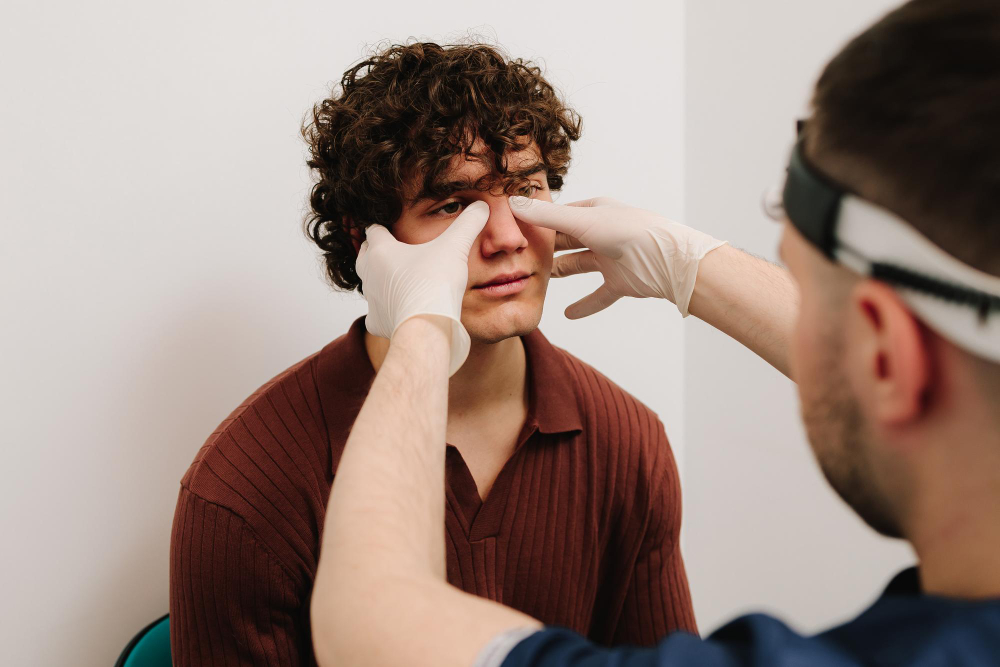
Most of the time, you can manage your symptoms at home while you recover. However, you must watch your body closely for any changes. A low fever is a common sign when you are sick, but a high temperature may mean the infection is spreading to other parts of your head.
You should keep a record of your temperature several times a day. If you notice the heat stays high for more than three days, your body might need more help. It is also important to track how you feel after you rest. If you feel weaker even after sleeping, it is a sign that you should seek a medical opinion.
Call a doctor if:
- Your symptoms last longer than 10 days.
- You feel better for a bit, but then get a high fever and worse pain.
- You have a fever of 103°F that stays high.
- Your eyes start to swell, or your vision gets blurry.
Conclusion
A sinus infection can make you feel miserable for a week or two, but most cases get better with simple home care. Focus on rest, plenty of water, and salt water rinses for your nose. Always watch your symptoms closely. If you are not getting better after 10 days, or if your pain gets too high, do not wait to seek help.
If you are struggling with sinus pain or need professional advice on any other minor health concern, Simple Consult is here to help. Our team provides easy access to medical guidance so you can find the right path to recovery. Reach out to us today to get the care you deserve.
FAQs
The most effective way to find relief at home is to focus on clearing out your nasal passages. You can do this by using saline rinses frequently and breathing in steam to help loosen things up. It is also vital to drink plenty of fluids and use warm compresses on your face to help break up that heavy pressure.
You should contact a professional if your symptoms last more than ten days or if you develop a high fever. It is also crucial to seek medical help if you start to feel much worse after you thought your condition was finally improving.
No, they do not. Most sinus infections are viral and will clear up without any special medication. Antibiotics only work against bacteria and should only be used when a doctor prescribes them.
Most people find that their symptoms are the worst between day three and day five. The infection usually clears up completely within seven to ten days.
This is a practice where you wait two or three days after seeing a doctor to see if your symptoms improve naturally. It prevents you from taking antibiotics for a virus that your body can handle on its own.










Add comment