

Recent studies from the Centers for Disease Control and Prevention (CDC) show that nearly 28.9 million adults (11.6%) in America deal with chronic sinus issues. Chronic sinusitis is more than just a lingering cold or seasonal allergies. It is a persistent health issue that can drain your energy and make daily tasks feel like a burden.
Many people mistake the initial signs for a simple infection, only to find that the pressure and pain do not go away. When these symptoms persist for months, they change from a temporary annoyance into a long-term medical concern.
In this blog, we will break down what is chronic sinusitis, explore why it happens, and look at the treatment options available to help you breathe with ease again.
What is Chronic Sinusitis?

Sinusitis becomes chronic when the lining of your sinuses stays swollen and inflamed for a longer period of time. Normally, your sinuses are hollow spaces that stay filled with air and a thin layer of mucus to trap dust. When inflammation takes over, the mucus cannot drain properly, leading to a buildup that causes the classic stuffy feeling.
The difference between a regular cold and chronic sinusitis is the duration. While a virus usually clears up in a week, this chronic version persists because the drainage pathways stay blocked.
The constant swelling creates a cycle of irritation that is very difficult to break without the right medical approach.
Symptoms of Chronic Sinusitis
If you recognize the signs of sinusitis early, you can seek treatment before the inflammation worsens. While everyone experiences it differently, most patients deal with a specific set of physical challenges. Chronic sinus infections often present with a heavy feeling in the face that does not respond well to standard over-the-counter pills.
Common indicators of this condition include:
Facial Pressure and Pain: You might feel a dull ache behind your eyes or across your cheekbones that gets worse when you lean forward.
Blocked or Runny Nose: Thick, discolored discharge is common, along with a feeling that you cannot breathe through your nose at all.
Reduced Sense of Smell: Inflammation can dull your ability to taste food or smell things in your environment.
Other Noticeable Signs: Other notable signs include deep fatigue, a cough that lingers at night, and a feeling of fullness in your ears.
What Causes Chronic Sinusitis
There is rarely just one reason why your sinuses stay inflamed for so long. Usually, a mix of environmental factors and your own physical anatomy plays a role. Doctors look at several different triggers to find out what causes chronic sinusitis in each individual. Here are the common causes of chronic sinusitis.
1. Allergens and Environmental Triggers
Environmental factors are a leading cause of long-term swelling. If you are constantly breathing in dust, pollen, or pet dander, your sinus lining stays in a state of high alert. The constant reaction leads to thick tissue that eventually blocks the tiny drainage holes in your nose.
Cigarette smoke and pollution can also make this worse by irritating the delicate membranes every day.
2. Structural Issues in the Nasal Passage
Sometimes the problem is purely physical. If you have a deviated septum, which means the wall between your nostrils is crooked, one side of your nose may not drain correctly. Nasal polyps are another common issue.
These are soft, non-cancerous growths inside your nose. They physically stop mucus from leaving the sinuses, which leads to trapped bacteria.
3. Repeated Respiratory Infections
If you catch several colds in a row, your sinuses may never get a chance to heal completely. Each new infection adds another layer of inflammation.
Over time, the tissue becomes permanently scarred or thickened, making it much easier for chronic sinus infections to take hold because the nose’s natural cleaning system is no longer functioning as it should.
Treatment Options for Chronic Sinusitis
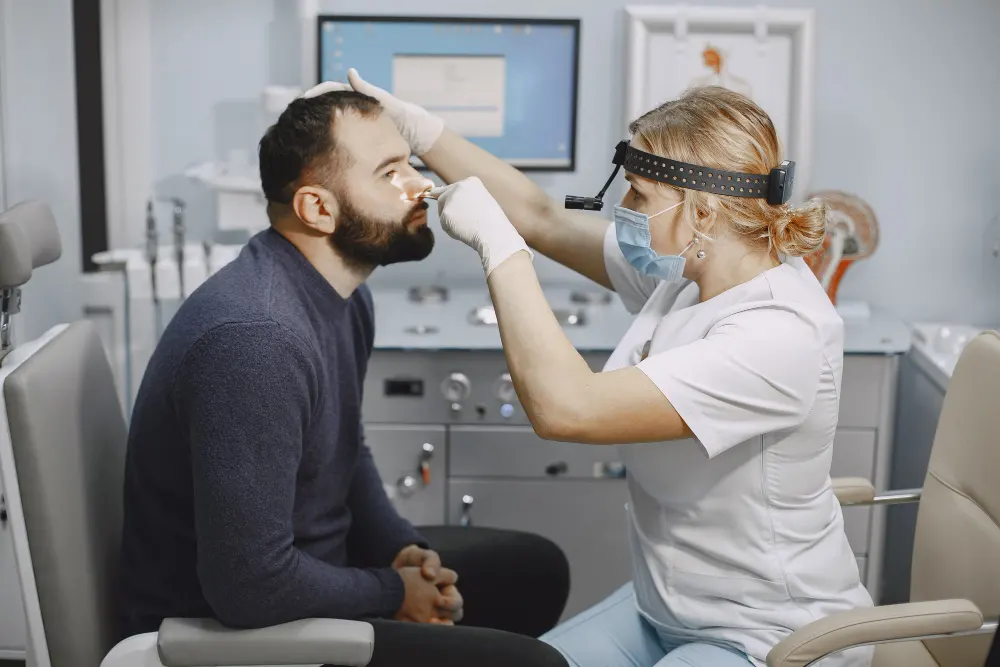
Modern medicine offers many ways to manage this condition, which range from simple home habits to advanced office procedures.
The goal of any treatment for chronic sinus infections is to reduce the swelling and get the mucus moving again. Your doctor will likely start with the least invasive options first.
1. Saline Rinses and Nasal Sprays
Rinsing your nasal passages with a saline solution is one of the most effective ways to clear out allergens. It physically washes away the biofilm or gunk that sticks to your sinus walls. Steroid nasal sprays are also common. These sprays do not work instantly like decongestants, but they slowly lower the inflammation over several weeks of consistent use.
2. Prescription Medications
If a bacterial infection is present, your doctor might prescribe a long course of antibiotics. In some cases, oral steroids are used to reset the immune system and bring down severe swelling quickly. These are usually short-term solutions meant to bridge the gap until other treatments start working.
3. Allergy Control Measures
Since allergies often drive the inflammation, managing them is a priority. It might include taking daily antihistamines or getting allergy shots to desensitize your body to triggers like mold or dust. Keeping your indoor air clean with HEPA filters can also help reduce the load on your respiratory system.
4. Minimally Invasive Procedures
For people who do not want major surgery, a procedure called balloon sinuplasty is a great option. A doctor inserts a small, flexible catheter with a tiny balloon into the blocked sinus.
They gently inflate the balloon to widen the opening without cutting any bone or tissue. Most people can return to work within 24/48 hours, and it is often performed right in the doctor’s office.
5. Surgical Options
When the blockage is caused by polyps or a badly deviated septum, endoscopic surgery may be necessary. Doctors use a small camera to look deep into your nasal cavity. They slowly clear away any bone or extra tissue that stops you from breathing. Once those blocks are gone, your medicated sprays and salt-water rinses can actually reach the spots that need help.
Conclusion
Chronic sinusitis is a complex condition, but it is not something you have to live with. You should probably talk to a professional if your nose stays blocked for over 10 days or if you keep getting sick every few months. Watch out for red flags like a high fever or blurry vision, as those mean you need a doctor right away.
Getting better usually comes down to fixing your home environment and clearing out physical blocks in the nose. It helps to write down your symptoms so you can explain exactly how you feel during an appointment.
At Simple Consult, we will help with the right medical advice. Talk to us today and let our team help you get back to feeling like yourself.











Add comment