Key Points
- Affordable ways to get prescriptions without insurance
- Cheapest way to get a prescription without insurance
- How to find legitimate savings programs and low-cost options
- What to do if your insurance for prescriptions does not cover your meds
- How online visits make refills easier and cheaper
Prescription drugs can feel unreasonably expensive when you have to cover the cost yourself. Without insurance for prescriptions, you’re often charged the full retail price, which varies from pharmacy to pharmacy. Brand-name drugs can cost several times more than their generic versions. The good news is that there are still smart, safe ways to cut costs.
If you have ever asked yourself, how do I get a prescription without insurance, here are ten practical solutions that actually work.
10 Practical and Affordable Ways to Get Prescriptions Without Insurance
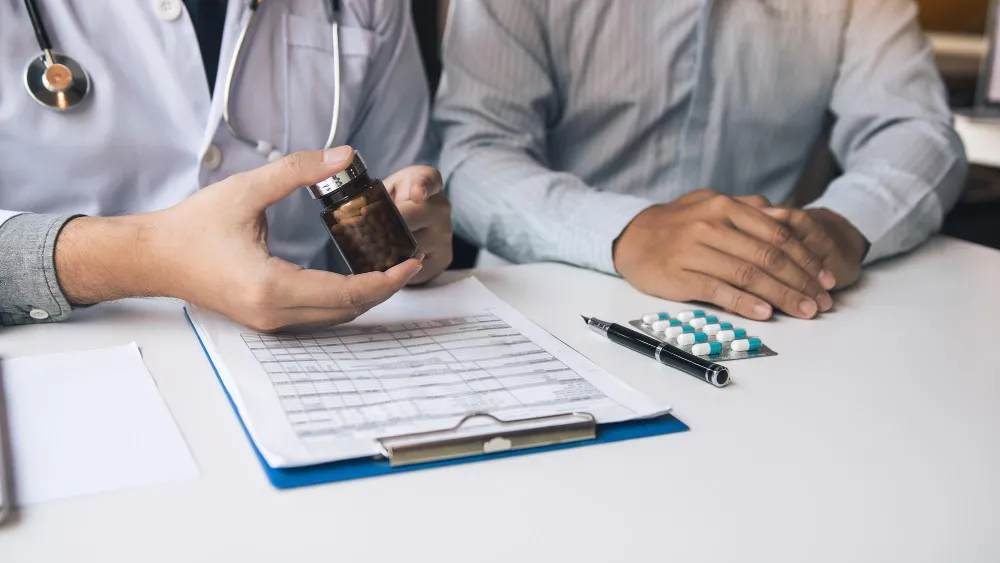
Fortunately, you do not need insurance to afford your prescriptions. There are several safe and legitimate ways to cut your medication costs without sacrificing quality or convenience. Below are ten practical and affordable options that can help you save money and still get the treatment you need
1. Use a $29 Online Visit for Refills
One of the cheapest ways to get a prescription without insurance is by booking an online visit. Services likeSimple Consult let you speak with a licensed U.S. provider for a flat $29 fee where no insurance is needed.
You can discuss your symptoms or request a refill and your prescription is sent electronically to your local pharmacy the same day. It is quick and far more affordable than a traditional doctor’s visit.
2. Ask for Generic Medications
Generic versions work the same as brand-name drugs but can cost up to 80% less. Always ask your provider or pharmacist if a generic option is available. It is one of the easiest ways to save money instantly.
3. Compare Pharmacy Prices Before You Buy
Medication prices may differ drastically from one pharmacy to another. Use free apps like GoodRx or SingleCare to check the cash price near you. Sometimes, simply switching to a different pharmacy can cut your cost in half.
4. Look Into Pharmacy Discount Programs
Many chain pharmacies have their own savings clubs or discount lists for people paying cash. These plans can reduce prices on common medications for a small yearly fee or even for free.
5. Apply for Patient Assistance Programs
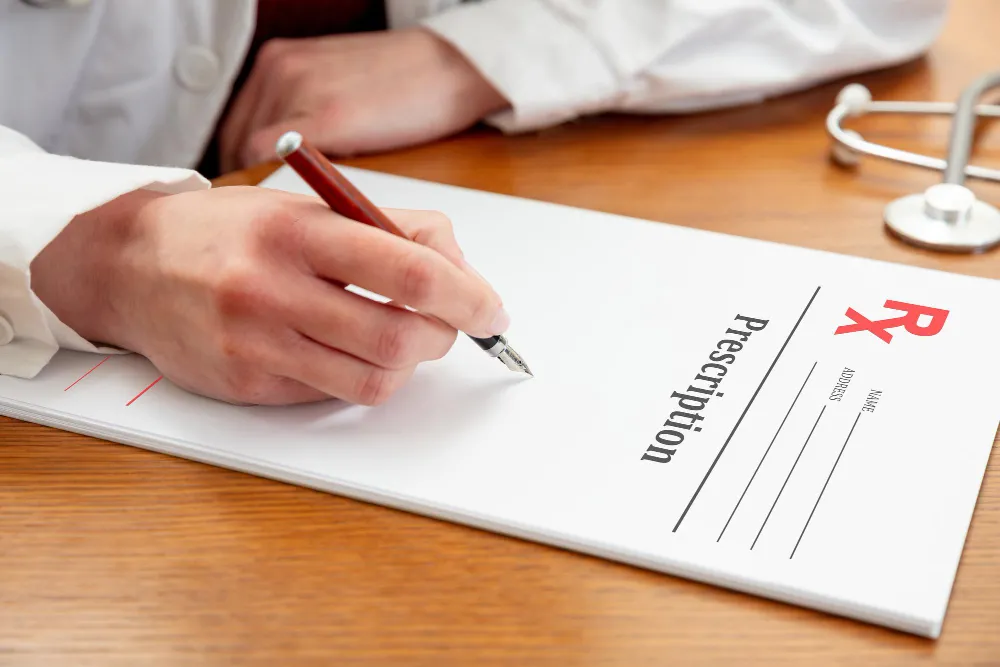
Drug manufacturers and nonprofit organizations often offer prescriptions without insurance through assistance programs.
If you meet their income requirements, you may qualify for free or low-cost medication. These programs are especially helpful for long-term or chronic conditions.
6. Check Out Charitable or Community Pharmacies
Some local clinics and charitable organizations offer reduced-cost or free prescriptions for uninsured patients. Search for community health pharmacies or low-cost clinics in your area. You might be surprised how many options exist.
7. Order a 90-Day or Mail-Order Supply
If you take medication regularly, ordering a 90-day supply using a mail-order pharmacy can help you save. Buying in bulk often reduces the per-pill cost and saves you extra trips to the store.
8. Use Free Trial or Savings Cards
A number of manufacturers offer free-trial programs or online coupons for new prescriptions. It is a great way to test a medication before committing to a full purchase. Search it with your disease on the internet and you will find plenty of them. It is the cheapest way to get a prescription without insurance.
9. Ask About Alternative Medications
If a drug is too expensive, your provider might know of a cheaper but equally effective option. Pharmacists can also recommend lower-cost alternatives within the same class of drugs.
10. Plan Refills Before You Run Out
Waiting until you run out of medication can lead to urgent visits or higher costs. Plan your refills early to save time, money, and avoid interruptions in treatment. Some telehealth service providers like Simple Consult make this simple with quick, same-day access to licensed providers.
How to Compare Prescription Prices and Find the Lowest Cost
Most people think a pill costs the same everywhere, but that isn’t true. Pharmacies are like grocery stores; they set their own prices. One shop might charge $15 while the one next door charges $30 for the same bottle.
Before you go, use a free price-checker app to see the costs in your area. It takes less than a minute to see which local shop has the best deal. Often, smaller grocery store pharmacies or “mom-and-pop” shops have much better cash prices than the big national chains.
Generic vs Brand Medications: Which is Cheaper?
Generic medications consistently offer the most significant cost savings. On average, a generic drug costs 80% to 85% less than the brand-name version typically promoted on television.
The price disparity is due to the pharmaceutical development cycle. Brand-name manufacturers pour billions into research, clinical trials, and worldwide marketing campaigns. Once the patent runs out, other companies are free to make the same medicine without carrying any of that heavy overhead. Because the FDA requires generics to maintain the same active ingredients, strength, and efficacy as the original, you receive the same clinical quality without the premium price associated with brand-name labeling.
Tips to Reduce Prescription Costs Even Further
If you really need to save every penny, try these three professional moves:
- The 90-Day Rule: Instead of getting one month of medication at a time, ask for a 30-day script to be converted to a 90-day supply. Buying more at once usually lowers the price per pill.
- Help Programs: Many drugmakers offer “Patient Assistance Programs.” If you don’t make much money, they might give you your medicine for free.
- Ask for Alternatives: If your drug is too expensive, ask your doctor if there is a “therapeutic alternative.” This is a different medicine that does the same job but costs much less.
What to Do If Your Insurance Doesn’t Cover Your Prescription
Even with coverage, some drugs are not included in your plan. You can ask your provider for a generic substitute, file an appeal, or choose to pay out-of-pocket through a telehealth service if it is cheaper. Many people find that flat-fee online visits actually cost less than their insurance company.
Stay Safe While Saving with Simple Consult
Always choose licensed providers and verified pharmacies. Avoid unverified websites offering instant prescriptions. With Simple Consult, you can safely connect with certified U.S. providers even if you do not have insurance. Every consultation follows state regulations and prescriptions are issued only when medically appropriate, ensuring safety, legality, and affordability.
The Bottom Line
Finding the cheapest way to get a prescription without insurance is not complicated. You just need to know the right ways and spend some time searching for them online. Between generic options and low-cost online care, you can take charge of your health without overspending.
FAQs
The most effective method is to use a free discount card when choosing the generic version of your medication. You should also take a moment to check prices at a few different local pharmacies to ensure you aren’t overpaying.
In many cases, the “cash price” you get with a digital coupon is actually lower than the co-pay you would pay with a standard insurance plan. It is always worth asking the pharmacist to run the coupon price first.
Generics usually run about 80 to 85 percent less than the brand-name versions you keep seeing in commercials. The price gap looks huge, but the medicine works exactly the same way. The law actually requires generics to carry the same active ingredients, so you are paying less for the marketing, not the medicine.
Yes, and the gaps can be wild. You might save forty dollars or more just by walking into the pharmacy across the street. Every store sets its own profit margin, so the exact same bottle of pills can ring up at very different prices depending on where you hand over your prescription.
Your strongest move is to ask your doctor for a 90-day supply, since the per-pill cost usually drops when you buy in bulk. If you are managing a chronic condition, take a close look at manufacturer assistance programs, too. A lot of these programs hand out medication for free or charge very little, and people leave that money on the table simply because they never ask.







Add comment