

About 25 million Americans live with asthma, and many have experienced the alarming moment when symptoms strike but their inhaler isn’t within reach. The chest tightens, breathing becomes difficult, and panic sets in, leaving you uncertain about what to do next.
The good news is that there are simple ways to ease mild asthma symptoms at home. While these methods cannot replace your medication, they can provide some relief until you can access your inhaler or see a doctor.
This guide covers how to control an asthma attack without an inhaler through easy breathing methods and household asthma relief tips that work in those unexpected moments.
What Causes Wheezing During an Asthma Attack?
Wheezing is the sound of air pushing through breathing tubes that have turned very narrow, swollen, and blocked with thick mucus. During an asthma flare-up, the ring-shaped muscles around these airways react to irritation by tightening. Doctors call this sudden tightening bronchoconstriction.
It works much like pinching the neck of an inflated balloon and letting the air out. The tighter the pinch, the louder and higher the whistle becomes. In a severe episode, the swelling and muscle tightening increase quickly. This blocks normal airflow and traps used air inside your lungs. That trapped air is what creates the heavy feeling of chest tightness.
Common Asthma Triggers That Can Make Symptoms Worse
Asthma attacks rarely come out of nowhere. Something in your surroundings almost always sets them off. Learning what your personal triggers are puts you in a much better position to act early and avoid a full flare-up.
Indoor Irritants
Dust Mites: These microscopic creatures live deep in mattresses, pillows, and carpets. Their waste particles move through the air and reach your airways fast.
Pet Dander: Pets shed tiny skin flakes and dried saliva continuously throughout the day. These particles are light enough to stay airborne for hours and reach your respiratory system.
Mold and Mildew: Bathrooms, basements, and walls with hidden water damage are common spots for mold collection. Once mold starts releasing spores into the air, it becomes a steady source of respiratory irritation that is easy to overlook.
Strong Chemical Fumes: Cleaning products, perfumes, scented candles, and cigarette smoke all release airborne chemicals that hit the airway lining almost immediately.
Outdoor Irritants
Seasonal Pollen: During peak seasons, pollen from trees, grasses, and weeds fills the air in concentrations high enough to affect even mildly sensitive lungs.
Air Pollution: Spending time near heavy traffic, industrial areas, or cities with poor air quality puts real strain on already sensitive airways.
Sudden Weather Shifts: Cold, dry air is particularly harsh on the airways. A quick temperature drop or a strong gust of winter air can cause the muscles around the airways to tighten without much warning.
Can Exercise Trigger Asthma Symptoms?
Physical effort often brings on asthma symptoms, and the condition is called Exercise-Induced Bronchoconstriction (EIB). When you push your body during a workout, your breathing speeds up. At that point, you stop breathing gently through your nose and start taking in air through your mouth to keep up.
Breathing through your mouth skips the nasal passages, which normally warm and add moisture to the air you take in. As a result, cold and dry air reaches your lung tissue directly. That sudden drop in temperature and moisture irritates the airway lining and forces the surrounding muscles to tighten.
The symptoms usually appear within 5 to 20 minutes of steady exercise, or just after you slow down. You may notice a lasting dry cough, a whistling sound as you breathe out, or an unusually heavy chest. If exercise leaves you short of breath, an online asthma consultation can help you build a safe management plan so you can stay active with confidence.
When Asthma Symptoms Become an Emergency
You can sometimes ease mild wheezing for a short time by sitting upright and steadying your breath. A severe asthma attack is different because it is a life-threatening emergency. Call 911 or go straight to an emergency room if you notice any of the warning signs below.
High-Risk Physical Signs
- Struggling to Speak: You cannot finish a single short sentence without stopping to take a breath.
- Chest Retractions: The skin pulls inward deeply around your ribs, collarbone, or neck as you strain to draw air in.
- Cyanosis: A pale, gray, or blue tint appears on your lips, tongue, gums, or fingertips, which signals a dangerous drop in blood oxygen.
- Altered Mental State: You feel very dizzy, drowsy, confused, or suddenly panicked because your brain is not receiving enough oxygen.
Why You Should Not Use Someone Else’s Inhaler
Reaching for a friend or family member’s inhaler during a breathing crisis may look like a quick and harmless fix, but it carries real dangers. Asthma medications differ widely from one patient to the next. Inhalers fall into separate treatment classes, including fast-acting rescue bronchodilators like Albuterol and long-term daily controller steroids like Flovent.
A maintenance steroid will not open tightened airways during an active attack. On top of that, prescription doses are set around each person’s medical history, age, weight, and heart health. Using a borrowed medication can cause serious side effects such as a rapid heart rate, severe muscle tremors, or a spike in blood pressure. The most serious problem is that relying on someone else’s device delays the emergency care you actually need.
How To Prepare for Asthma Symptoms Before They Happen
The best way to handle a sudden asthma crisis is to prepare for it long before symptoms start. Running out of medication without warning causes immediate panic, which tightens the chest muscles further and makes the attack worse. Staying organized keeps you safe and ready.
First, keep a close track of how much medication you have left. Check the dose counter on your canister every week so a low count never takes you by surprise. Second, place backup rescue inhalers in fixed, easy-to-reach spots such as your office desk, workout bag, or car glove compartment. Third, schedule an evaluation well before your current supply runs low. You can arrange a convenient inhaler refill online to keep your medicine cabinet stocked.
How to Relieve Asthma Attack Immediately Without Inhaler
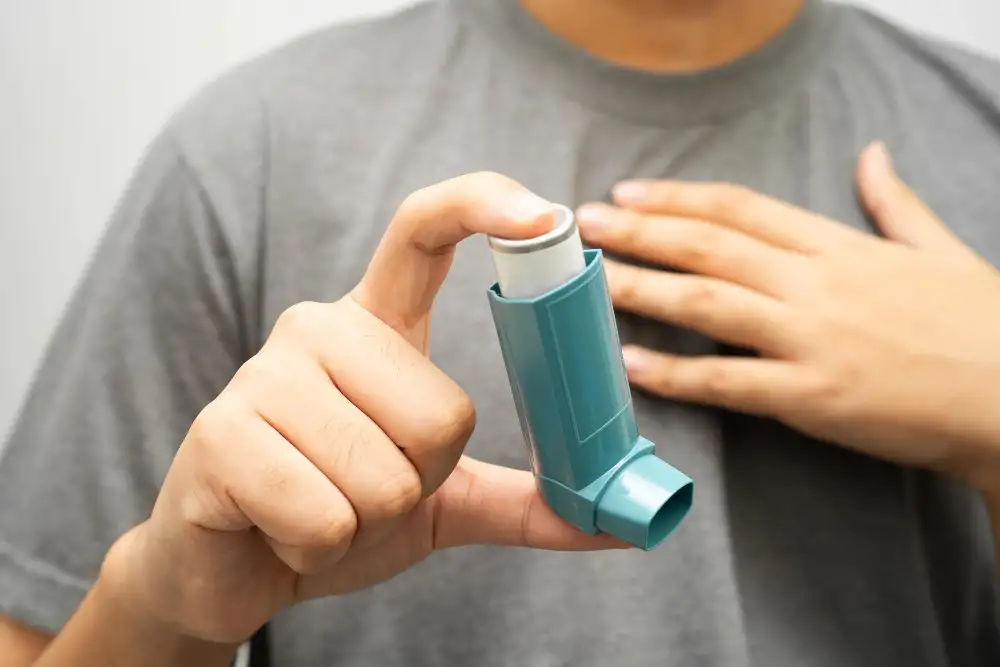
The first few minutes matter most when you feel symptoms coming on. It is because your body’s natural response is to panic, which actually makes breathing harder. Here’s what you should do in this situation:
- Sit Up Straight
Do not lie down or lean over. An upright position opens your chest cavity and gives your lungs more room to expand. Sit in a chair or lean slightly forward with your hands on your knees.
- Stay As Calm As Possible
Anxiety tightens your chest muscles even more. Focus on the fact that you are taking action to help yourself. Loosen any tight clothing around your neck or waist.
- Move Away From Triggers
If you are near smoke, strong perfumes, dust, or pet dander, get to a different area immediately. Fresh air often helps, but avoid going outside if it is very cold or pollen count is high.
Simple Breathing Methods That Can Help
Controlled breathing techniques can reduce the feeling of breathlessness and help you regain control during mild symptoms. You can try these breathing methods:
Pursed Lip and Slow Nose Breathing
- Breathe in slowly through your nose for about 2 seconds.
- Then purse your lips like you are about to whistle and breathe out gently for 4 seconds.
This technique keeps your airways open for longer and prevents air from getting trapped in your lungs. The key is making your exhale twice as long as your inhale.
Belly Breathing
- Place one hand on your chest and the other on your belly.
- Breathe in through your nose and focus on making your belly rise instead of your chest.
Belly breathing is another helpful technique. It uses your diaphragm properly and requires less effort than shallow chest breathing. Also practice this when you are feeling fine so it comes naturally during an asthma attck.
Natural Remedies to Help an Asthma Attack
Your home has several simple options that may provide relief when you don’t know how to help asthma attack without inhaler.
- Steam from a Warm Shower
Moist and warm air can help relax tight airways and thin out mucus. Turn on your shower at a comfortable temperature and sit in the bathroom while it is filled with steam. You do not need to get in the shower. Just breathe the humid air for 10/15 minutes. This works because dry air irritates sensitive airways, while moisture soothes them.
- Drinking Warm Fluids
A cup of warm water or herbal tea may help. Caffeine acts as a mild bronchodilator, which means it can help open airways for up to 4 hours. The warmth also loosens mucus in your throat and keeps you hydrated. Dehydration makes airways more sensitive, so sipping fluids regularly throughout the day is also a smart prevention.
- Using a Fan to Improve Airflow
Directing a fan toward your face can help create a breeze that makes breathing feel easier during mild asthma symptoms. The moving air can help reduce the feeling of breathlessness and keep you calmer, which in turn can prevent symptoms from worsening.
Basic First Aid for Asthma Without Inhaler
When you or someone around you has an asthma attack and no inhaler is available, here’s what can help:
- Remove any obvious triggers like smoke or dust
- Encourage slow, steady breathing through the nose
- Stay with them and watch for worsening symptoms
- Offer hot drink if possible
However, if the condition is worsening or if the person’s lips or fingernails turn blue, call emergency services immediately.
What Should Be Included in an Asthma Action Plan?
An Asthma Action Plan is a clear, written guide you create with your doctor that explains exactly how to manage your lung health each day. Groups like the American Lung Association recommend a color-coded system that helps you make quick decisions during stressful moments.
| Zone | Lung Condition Status | Necessary Action Plan Steps |
| Green Zone | Great control. No coughing, wheezing, or chest tightness. Normal sleep and activity. | Take your long-term daily controller medications exactly as prescribed. |
| Yellow Zone | Caution needed. Mild coughing, slight wheezing, or minor chest pressure. You start waking at night. | Take your quick-relief rescue doses right away and follow the medication adjustments in your plan. |
| Red Zone | Medical danger. Severe breathing trouble. Quick-relief medications give no relief at all. | Use your rescue inhaler now and call 911 or go to an emergency room immediately. |
When To Talk to a Doctor About an Inhaler Refill
Do not wait until your rescue canister reaches its final puff before you look for a replacement. Contact a medical professional the moment the dose indicator falls into the red warning range, or when the expiration date on the side has passed.
You also need a formal medical review if you use your quick-relief device more than twice a week for everyday symptoms. Needing rescue puffs often shows that the inflammation in your airways is getting worse, and your long-term maintenance plan needs an adjustment.
Make your lung health a priority today. If your symptoms are getting worse or your medication supply is running low, speak with a licensed professional online or get emergency care. Simple Consult helps with clinical evaluations and eligible inhaler refills through secure, same-day online visits.
Get Online Medical Help with Simple Consult
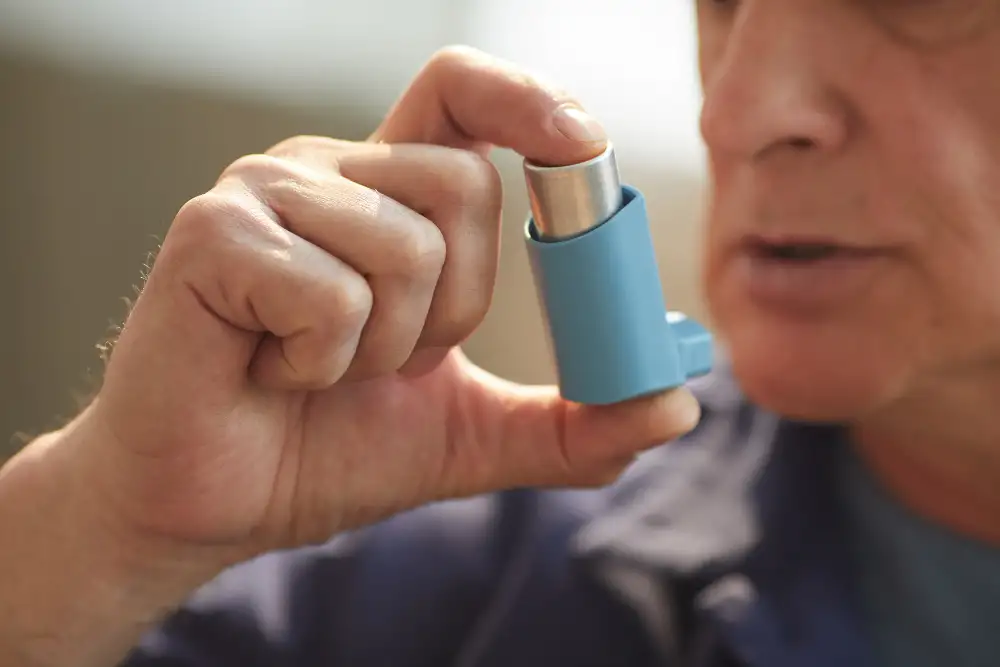
If you have a mild asthma attack or you need a refill for your asthma inhaler, it should not mean a trip to urgent care and waiting weeks for a doctor’s appointment.Simple Consult offers same-day online visits with licensed U.S. nurse practitioners for just $29 with no insurance needed.
During your virtual visit, a provider can evaluate your symptoms and send a prescription refill for inhalers directly to your pharmacy the same day. The entire process happens online through a secure video call. We make it easy for you to stay on top of your asthma management without the hassle of traditional appointments.
Conclusion
While nothing can fully replace your prescribed inhaler, these home strategies can provide temporary relief during mild asthma attacks. Techniques like controlled breathing, sitting upright, steam therapy, warm fluids, and improving airflow with a fan can help ease symptoms and keep you calmer until professional help is available.
.Always stay alert for worsening symptoms, remove triggers, and seek emergency care if needed. Combining these tips with proper asthma management helps you stay safe and in control during unexpected episodes.
Frequently Asked Questions
Can Coffee Help Asthma Symptoms in an Emergency?
Caffeine can temporarily relax airway muscles in a way similar to theophylline, which may slightly improve breathing for a short time. It may help during mild symptoms but does not replace prescribed asthma medication or emergency treatment.
Can an Asthma Attack Go Away on Its Own?
Mild symptoms may improve with trigger avoidance and breathing techniques, but moderate to severe attacks require medical care. Seek emergency help immediately if breathing becomes difficult or your lips turn blue.
How Long Does It Take for Natural Methods to Work?
Most breathing techniques and position changes can start helping within 5 to 10 minutes if symptoms are mild. Steam therapy might take 10 to 15 minutes to provide noticeable relief.
What to do during an asthma attack without an inhaler?
Sit completely upright to open up your chest, stay as calm as possible, move away from nearby smoke or dust, and practice slow, steady pursed-lip asthma breathing exercises. If your breathing gets worse quickly or you cannot speak, call 911 immediately.
Can anxiety make asthma symptoms worse?
Strong anxiety speeds up your breathing and leads to hyperventilation. Hyperventilation dries out the airway lining, tightens the chest muscles, and makes the constriction worse. Staying calm can ease panic-driven tightness, but a true airway blockage still needs proper medical treatment.
What symptoms mean an asthma attack is serious?
Serious asthma symptoms that cannot be managed at home include visibly seeing the skin sinking in between their ribs, their lips or fingernails turning blue, feeling dizzy, or not being able to get words out. These are not mild symptoms that can be managed at home. This is a medical emergency, and getting to a doctor immediately can make all the difference.
Is it safe to use someone else’s inhaler?
Using someone else’s inhaler is unsafe. The device may hold a slow-acting daily maintenance steroid that gives no relief during an active attack. It can also cause unexpected side effects or lead you to delay calling for emergency help.
Can exercise cause asthma symptoms?
Breathing fast through your mouth during hard exercise brings cold, dry air straight into your lungs. This irritates the sensitive tissue and forces the airway muscles to tighten. A healthcare provider can help you create a prevention plan so you stay active.
How can I avoid being without my inhaler again?
Store your backup rescue inhalers in fixed, easy-to-reach spots, check your dose counters every week, and request a new prescription before your supply reaches zero. You can set up an online asthma consultation to build a reliable refill routine and keep your medication secure.









Add comment