

Anxiety and stress can raise your blood pressure, though the increase is usually short-lived. When you feel anxious, your body releases a rush of hormones such as adrenaline and cortisol. These hormones make your heart beat faster and cause your blood vessels to tighten. It is a built-in survival response, but when it happens too often, it puts extra strain on your heart and blood vessels.
Most of these acute blood pressure spikes settle on their own. Still, ongoing stress can build into something more lasting. Knowing the difference between a brief stress reaction and steady high blood pressure can help you look after your heart with a little more confidence.
How Anxiety Affects Your Body and Blood Pressure
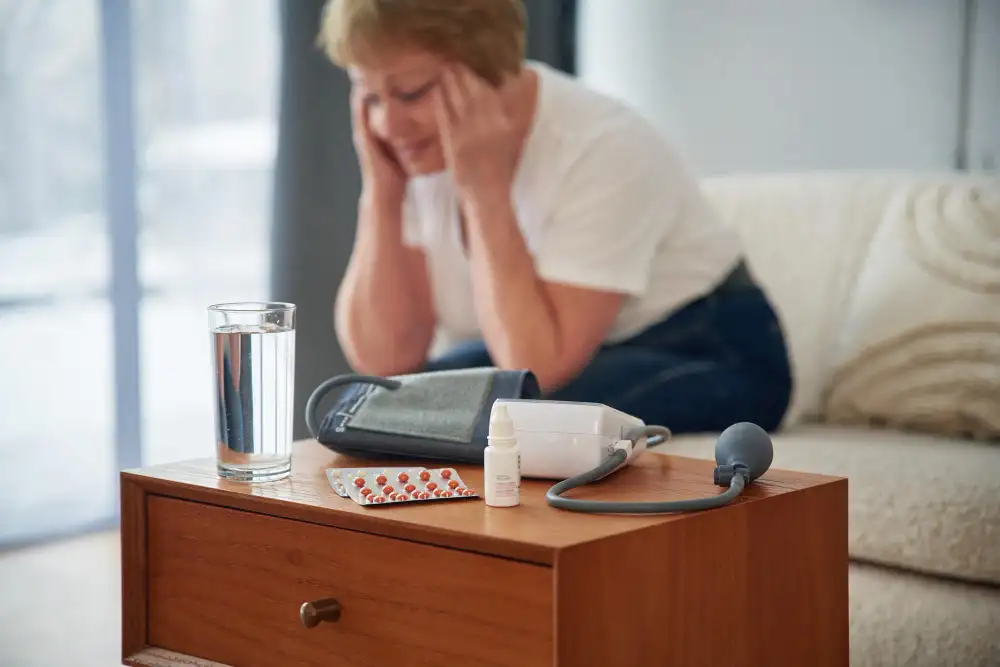
Does anxiety raise your blood pressure for real? The short answer is yes. It happens fast. Your brain does not wait to check if the threat is real. It just reacts.
The moment tension hits, your body releases stress hormones into your bloodstream. These hormones include adrenaline and cortisol, and they flood through your body. These chemicals make your heart pump harder and faster. At the same time, your blood vessels get tighter and narrower.
Think of it like this – more blood being forced through smaller tubes. That is how the pressure builds up. This whole reaction is called the fight or flight response. It is your body getting ready to handle danger.
Immediate Strategies to Lower Anxiety-Related Blood Pressure
You can often bring your blood pressure down in the moment by switching on your body’s “rest and digest” mode, known as the parasympathetic nervous system. The next time you feel your heart racing or your blood pressure rising, these simple methods can help you settle.
Deep Breathing and Diaphragmatic Techniques
Slow, steady breathing sends your brain a quiet signal that you are safe, and that helps lower your heart rate and blood pressure. When people feel anxious, they tend to take shallow breaths high in the chest. Try breathing into your belly instead.
- Place one hand on your chest and the other on your stomach.
- Breathe in slowly through your nose for four seconds. Your stomach should rise while your chest stays fairly still.
- Hold for two seconds.
- Breathe out through pursed lips for six seconds.
Repeat this for three to five minutes. This kind of breathing exercise for high BP gently nudges your nervous system to slow down.
Mindfulness, PMR, and Grounding
When your mind stays focused on stress, your body can remain in a heightened state of alertness, often called the “fight or flight” response. Grounding is a way to gently pull your attention back to right now, and that easing of focus often takes the physical tension down with it.
Progressive Muscle Relaxation (PMR): Work through your body one muscle group at a time. Tense it for a moment, then let it go, starting at your toes and slowly making your way up to your forehead. Many people carry tension without realizing it and this helps you find it and release it.
The 5-4-3-2-1 technique: Look around and name five things you can see. Then four you can feel, three you can hear, two you can smell, and one you can taste. Although it seems simple, many people find it effective., but it gives your mind a small job to focus on, so it stops circling the stress.
Mindfulness: Sit still for a minute and just notice what is going on in your body, without labeling it good or bad. Instead of “my heart is racing,” try “I notice my heart is beating a little faster right now.” That small shift in wording can take some of the heat out of the moment.
How Can Stress Raise Blood Pressure
Stress can elevate blood pressure anywhere from 10 to 50 points depending on the person. Some people barely see their numbers move. But for others, the readings jump dramatically during a stressful moment.
Several factors, such as your lifestyle and baseline heart health, affect how much your numbers climb. Someone with normal readings might see a smaller increase compared to someone already dealing with borderline high blood pressure.
Physical factors play a role too, such as:
- Being dehydrated
- Sleep deprived
- High on caffeine
Does Stress Elevate Blood Pressure for Longer Periods
A single anxious moment will not cause you to develop permanent high blood pressure. Your readings usually drop back down once you calm down, sometimes within minutes, or at most within an hour or two.
However, chronic anxiety is completely different.
When stress continues for weeks, your body does not fully relax. Even when you think you feel calm, your baseline may still be higher than normal. It is like an engine that keeps running faster than it needs to.
Research shows people with anxiety face 54% higher odds of developing high blood pressure compared to those without anxiety.
How Long-Term Stress Leads to Hypertension
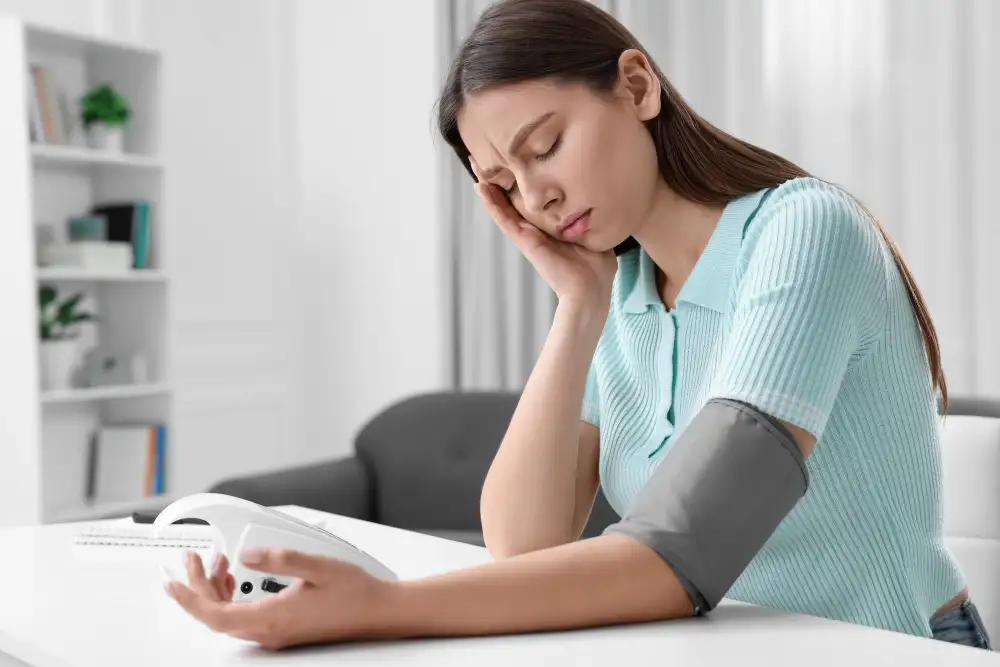
The stress and blood pressure relationship runs deeper than just behavioral changes. When your body stays in alert mode for months or years, physical changes happen.
But why does stress cause hypertension in some people but not others?
This is where individual health, baseline heart condition, and genetics matter. In some people, long-term activation of the nervous system can remodel the cardiovascular system causing blood vessels to become less flexible and more resistant to blood flow. As a result, it can lead to long-term hypertension in those people.
Long-Term Lifestyle and Professional Strategies
Keeping stress down over the long run depends on a few steady daily habits. When you practice them regularly, they hold your everyday stress at a lower level. That matters because steady habits like these are among your best protections against high blood pressure over time.
Exercise, Diet, and Sleep
Your daily routine has a real effect on how your body handles stress. Small changes to your exercise, sleep, and eating habits can make a meaningful difference over time.
Movement: Regular physical activity can help your body process stress more effectively. Even a brisk 20-minute walk can make a noticeable difference.
Nutrition: A few simple food choices can ease stress, like cutting back on caffeine and salty, processed foods. Caffeine can copy that “fight or flight” feeling, which may make anxiety worse.
Rest: When you are short on sleep, stress tends to hit harder. If sleep is tricky, set a calm wind-down routine in the evening and put screens away at least an hour before bed.
If your blood pressure stays high even after these changes, it is worth speaking with a medical professional. If your blood pressure remains high despite lifestyle changes, it may be worth speaking with a healthcare professional about the next steps.
How to Tell If Your Blood Pressure Spike Is From Anxiety
Look for patterns. Anxiety-related spikes usually come with other clear signs.
- Anxiety spikes usually follow a pattern.
- Your heart may start pounding, and you might feel it in your chest, throat, or even your ears.
- You may also notice sweating, shaky hands, tight muscles, or a wired, jittery feeling.
- The timing also gives a clear clue. Your numbers jump when you are stressed and settle once you calm down.
When You Should Reach Out to A Licensed Provider
Sometimes your blood pressure or anxiety may need extra attention. It’s not always easy to tell what’s normal at home, so knowing when to reach out to a licensed provider is important.
- Your readings stay above 130/80 even when you’re relaxed. This counts as Stage 1 hypertension and should be checked by a professional.
- Your numbers reach 180/120 or higher. This is a hypertensive crisis. Get emergency care right away.
- You have other symptoms like severe headache, chest pain, shortness of breath, vision changes, or nosebleeds.
- Anxiety is getting hard to manage. Frequent panic attacks or constant worry that affects daily life deserve professional help.
- You have other health risks like family history of heart disease, diabetes, kidney problems, or smoking.
How Simple Consult Helps You Get Care Fast Online
Simple Consult makes it easy to get care online for $29 per visit with no insurance needed. You will connect with licensed health providers who can review your symptoms, check your blood pressure patterns, and send prescriptions to your pharmacy if needed.
The visits are quick, so you get care faster than a traditional appointment. You can get a refill, advice on your readings, or talk about what you are feeling.
All appointments are handled by licensed U.S. practitioners. Prescriptions are sent to your pharmacy the same day when appropriate, and visits focus on your main concern without handling controlled substances.
Final Thoughts
Anxiety raises blood pressure temporarily. That’s just how your body works. It responds to perceived threats whether they’re real or not.
The question that matters for your long-term health is simple. Does this happen occasionally during genuinely stressful moments, or has it become your body’s normal setting?
Occasional spikes during anxiety probably do not damage your cardiovascular system. But chronic blood pressure elevation needs attention, even if anxiety triggers it. The stress and blood pressure relationship is complex, but understanding it puts you in control.
Frequently Asked Questions
Can high stress cause high blood pressure immediately?
Within seconds of feeling anxious, stress hormones trigger your heart to beat faster and your blood vessels to tighten. It raises blood pressure quickly.
Can anxiety cause temporary spikes in blood pressure?
These spikes usually last from a few minutes to a couple of hours. It depends on how long you stay anxious and how your body recovers.
How long does anxiety keep blood pressure elevated?
A single anxious episode typically affects your pressure for minutes to an hour. Chronic anxiety keeps your baseline elevated for as long as the anxiety persists, sometimes weeks or months.
How much can stress raise blood pressure in one episode?
It varies widely. Some people see increases of 10 to 15 points, while others experience jumps of 30 to 50 points or more during intense worry or panic attacks.
How is white coat hypertension different from anxiety-related spikes?
White coat hypertension happens specifically at the doctor’s office because the clinical setting itself sets off your stress response. Anxiety-related spikes can show up anywhere, whether you are at work, sitting in traffic, or relaxing at home. Checking your readings at home is the best way to tell whether your high numbers are situational or more constant.
Are SSRIs or SNRIs safe with borderline high blood pressure?
For most people with borderline high blood pressure, SSRIs and SNRIs are considered safe. That said, certain SNRIs can nudge blood pressure up slightly in some people, so it helps to keep an eye on your readings. Your doctor can work with you to find the right balance for your health.
How can I tell anxiety apart from true hypertension at home?
Take your readings at the same time each day, sitting quietly. Write down both the numbers and a quick note about how stressed you felt at the time. Over a few weeks, a pattern usually appears. If your readings tend to rise during stressful situations and return to normal afterward, anxiety may be contributing to the increase. If it stays high even when you feel calm, it may point to true hypertension, which is worth discussing with your doctor.












Add comment