
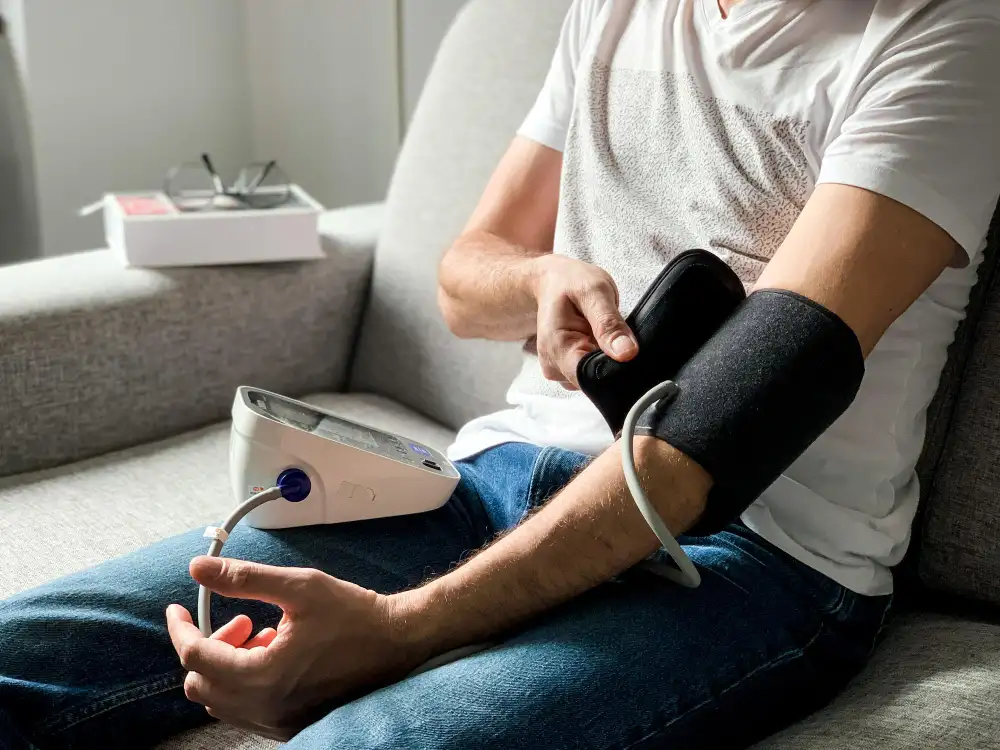
Most people do not realize how closely hydration affects the heart. According to a recent review, even mild dehydration can interfere with the way blood vessels relax and adjust, making it more difficult for the body to control blood pressure.
When your readings go up despite normal meals and routine stress levels, dehydration may be the reason behind it. Busy days and long gaps without water can quietly reduce fluid levels and disrupt circulation, which causes changes in blood pressure.
This guide explores how fluid loss impacts your body and addresses a common question: Can dehydration cause high blood pressure? We will also see what simple steps can help you keep your readings more consistent.
What is Dehydration

Dehydration happens when your body loses more fluid than you consume. It does not only happen on hot days or during workouts. Even simple daily changes, such as reduced water intake or minor digestive discomfort, can leave your body dehydrated before you realize it.
Your body begins to change the way it works when the fluid level drops. You may feel thirsty, but sometimes you do not. Dry mouth, reduced sweat, darker urine, or even a sudden dip in energy may appear before you realize what’s going on.
What Happens to Your Body When You Are Dehydrated
Your bloodstream requires an adequate water level to function properly. When fluid level drops:
- Blood becomes more concentrated or thicker
- Circulation slows down throughout your body
- Your heart and vessels work overtime to deliver oxygen and nutrients
As these demands increase, your system triggers hormonal changes, adjusts your heart rate, and modifies blood vessel diameter. These automatic adjustments can either raise or lower your blood pressure depending on the severity of dehydration and your baseline cardiovascular health.
How Dehydration Can Lead to Higher Blood Pressure
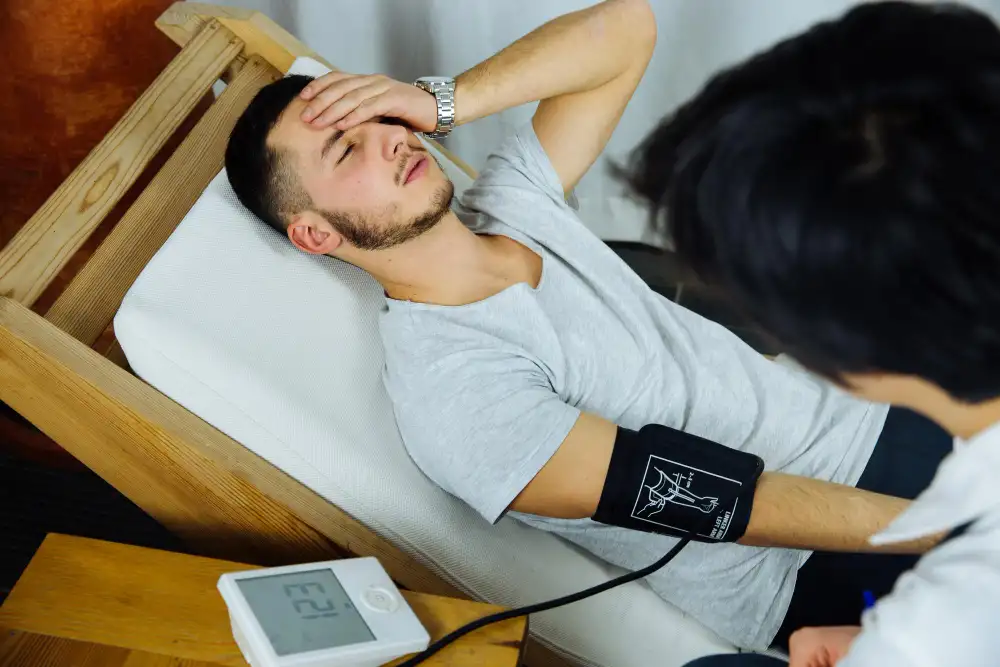
Blood vessels respond immediately to changes in fluid volume. When you lose too much water, your body releases vasopressin, a hormone designed to conserve remaining fluids. Vasopressin constricts your blood vessels to prevent additional water loss through your kidneys.
This vessel constriction often elevates blood pressure. That is why dehydration can cause high blood pressure spikes during hectic days when you forget to hydrate. Even mild dehydration can place extra strain on your cardiovascular system, which explains why both blood pressure and heart rate may rise as your body works harder to maintain proper circulation. These reactions help answer the common question: Can dehydration cause high blood pressure and heart rate changes in daily life?
While short-term fluid loss typically causes temporary spikes, chronic dehydration may complicate long-term blood pressure management, particularly for adults already managing hypertension.
Watch for these symptoms when the blood pressure rises:
- severe or throbbing headaches
- Shortness of breath during normal activities
- Dizziness upon standing
- Mental fog or difficulty concentrating
- Nausea or stomach discomfort
- Chest pressure or tightness
- Irregular or racing heartbeat
- Vision changes or blurriness
- Occasional nosebleeds
How Severe Fluid Loss Can Lower Blood Pressure
Severe dehydration can also reduce overall blood volume. This typically happens when dehydration develops rapidly after prolonged heat exposure, excessive sweating, or severe illness.
Low blood pressure symptoms include:
- Sudden lightheadedness
- Feeling unsteady or off-balance
- Fainting or near-fainting episodes
- Overwhelming exhaustion
- Muscle weakness in your arms or legs
- Dimmed or blurry vision
- Persistent nausea
- Rapid, shallow breathing
- Cool, clammy skin
- Confusion or difficulty thinking clearly
Who Is Most at Risk for Dehydration-Related Hypertension
Dehydration changes the way your body manages blood pressure. Some people face a much higher risk of seeing their readings climb when fluid levels drop. Long-term health issues, age, and daily habits all affect how well the body holds onto fluid. Because of this, certain groups are far more likely to experience a sudden increase in blood pressure once they become dehydrated.
Older Adults and Senior Citizens
Aging slowly weakens the sense of thirst, so older adults often need fluids well before they actually feel thirsty. The kidneys also lose some of their ability to concentrate urine with age, which makes the body release water too quickly. Once water levels fall, the body responds by releasing stress hormones. These hormones force the blood vessels to tighten, and that often shows up as a high blood pressure reading during a routine checkup.
Individuals with Pre-existing Cardiovascular Conditions
People who already live with chronic hypertension are affected the most. A weakened cardiovascular system has a hard time adjusting to changes in blood volume. When dehydration sets in, the blood becomes thicker and more concentrated. The heart then has to pump faster to push that thicker blood through narrowed arteries, and this makes existing high blood pressure worse almost right away.
Outdoor Workers and High-Endurance Athletes
Manual labourers, roofers, landscaping crews, and long-distance runners lose huge amounts of water and minerals through sweat. The problem starts when they drink plain water but never replace the lost sodium and potassium. Without those minerals, the fluid balance inside and outside the cells breaks down. That breakdown sets off a chemical response in the body that drives blood pressure upward.
Can Medications Increase Dehydration Risk?
Several common prescription drugs cause dehydration on their own, and that dehydration can then push blood pressure higher. Some medicines make the kidneys flush out extra water, while others change the way the brain senses thirst. Both effects can leave the body short on fluid for long stretches of time.
| Medication Class | Common Examples | How It Causes Dehydration | Impact on Blood Pressure |
| Diuretics (Water Pills) | Hydrochlorothiazide, Furosemide | Forces the kidneys to push out sodium and water to lower blood volume. | Can over-correct and cause severe dehydration, which triggers a rebound spike in blood pressure. |
| ACE Inhibitors & ARBs | Lisinopril, Losartan | Changes kidney filtration and shifts the electrolyte balance. | Increases how often you urinate, which slowly drains your fluid reserves. |
| SGLT2 Inhibitors (Diabetes Drugs) | Empagliflozin (Jardiance) | Flushes extra glucose out through the urine. | Pulls large amounts of water out along with the sugar, leading to fast fluid loss. |
| Antidepressants & Antipsychotics | Amitriptyline, Lithium | Dries out the mouth and dulls the brain’s thirst signals. | People simply forget to drink, so slow and quiet dehydration raises blood pressure over several days. |
When Dehydration Becomes a Medical Emergency
Dehydration usually feels like a minor problem. But it can turn into a life-threatening emergency once the vital organs start to fail from a lack of fluid. The body reaches a point where it cannot keep up anymore. If you or someone close to you shows any of the warning signs below, get emergency medical care straight away.
- Fainting or Complete Loss of Consciousness: This means blood flow to the brain has dropped so low that the body can no longer fix it alone.
- Inability to Keep Fluids Down: When vomiting will not stop, drinking water becomes pointless because nothing stays down. At that stage, intravenous (IV) fluids are the only way left to rehydrate.
- Chest Pain or Heavy Pressure: This is a sign that the heart muscle is short on oxygen. The blood has grown too thick, and the coronary arteries have become too narrow to feed it properly.
- A Complete Absence of Urine: This tells you the kidneys have shut down their waste filtering. They are holding onto every last bit of moisture left in the bloodstream.
- Extreme Lethargy or Unresponsiveness: This points to the central nervous system slowing right down. It happens because the electrolytes have drifted too far out of balance.
How Much Water Should Adults Drink Daily?
Most adults do well on 2.7 to 3.7 litres of total fluid a day. That amount helps the heart work properly and keeps blood pressure steady. Still, the right number is not the same for everyone. It moves up or down based on your body weight, how active you are, the climate around you, and any health conditions you already have.
The U.S. National Academies of Sciences, Engineering, and Medicine suggest that men need around 3.7 litres of total fluid a day, which works out to about 15.5 cups. Women need roughly 2.7 litres, or about 11.5 cups. These totals also count the moisture you get from water, herbal teas, and water-rich foods like cucumbers and watermelons.
If you take medicine for hypertension or kidney disease, you must plan your fluid intake with a physician. Drinking too much water can dilute important blood minerals. Drinking too little brings on the exact vessel tightening you are trying to avoid.
Can Electrolytes Help Stabilize Blood Pressure?
Electrolytes help steady blood pressure by balancing the fluid inside and outside your cells, which lets blood vessels relax and tighten the way they should. Plain water hydrates your tissues, but your body cannot hold onto or use that water properly without minerals like sodium, potassium, calcium, and magnesium.
Potassium works as a natural counterweight to sodium. It encourages the kidneys to flush out extra salt while helping the blood vessel walls relax. Magnesium controls muscle movement throughout the vascular system and stops the spasms that narrow the arteries. During heavy sweating, an electrolyte drink that is low in processed sugar helps steady blood pressure much faster than plain water on its own.
Simple Ways to Stay Hydrated During a Busy Day
Consistent hydration does not require strict routines. Instead, small and regular habits prove more effective than drinking large amounts at once.
Try these practical approaches:
- Start each morning with a glass of water
- Keep a water bottle nearby throughout the day
- Eat water-rich foods like oranges, cucumbers, and watermelon
- Pay attention to factors that increase fluid loss
- Sip water regularly instead of waiting for thirst
How Simple Consult Makes Things Easier
If your blood pressure stays high or you are unsure whether dehydration is part of the problem, a quick online visit can save you a lot of guessing. Simple Consult keeps things straightforward with an affordable setup that lets you speak with a licensed provider without leaving home.
We offer $29 flat-rate visits with no hidden charges at checkout, and you do not need insurance to see the doctor online. Everything is cash-pay, which keeps the process simple. You can usually book a same-day appointment, and the entire visit takes place online.
Conclusion
Your blood pressure and heart rely heavily on enough water in your body. When readings of your blood pressure change unexpectedly and you feel your pulse speeding up on dehydrated days, it is a warning sign that your body is asking for support.
Pay attention to early signs of dehydration, especially on busy and stressful days when drinking water slips your mind. If your blood pressure continues to fluctuate or something just does not feel right, a quick online visit with a licensed provider can offer reassurance and the next steps you need.
Frequently Asked Questions
Does dehydration cause high blood pressure?
Blood pressure can rise when you’re low on fluids because dehydration causes your blood vessels to tighten in order to conserve water. This narrowing makes it harder for blood to move through your system, which can push your readings higher than usual.
What are the 5 main symptoms of dehydration?
The most common signs include noticeable thirst, a dry or sticky mouth, darker-than-normal urine, low energy or fatigue, and dizziness, especially when standing. These symptoms often appear gradually, so they are easy to overlook during a busy day.
Does drinking water lower blood pressure quickly?
Drinking water can help bring slightly elevated readings back toward your normal range if the spike is linked to dehydration. However, it will not replace long-term treatment for chronic hypertension.
What are the three main causes of high blood pressure?
The biggest drivers are a combination of genetics, daily habits, and medical conditions. Family history, diet, stress levels, physical activity, and issues like kidney disease or hormonal disorders all play a role in shaping long-term blood pressure health.
What are signs dehydration is affecting blood pressure?
Common signs include a pounding headache, dizziness, a fast heartbeat, fatigue, blurred vision, mild nausea, and feeling very lightheaded when you stand up quickly. These feelings show up because your heart is working harder to push thick blood through tight vessels.
Can dehydration cause dizziness and headache?
Yes. Lower blood volume and poor oxygen delivery during dehydration lead straight to throbbing headaches and dizziness. Your brain gets less blood flow because the body sends the remaining fluid toward the vital organs instead.
Who is most at risk for dehydration-related blood pressure changes?
Older adults face the highest risk here. So do people on prescribed diuretics, patients who already live with hypertension, high-endurance athletes, and outdoor workers out in extreme heat. Each of these groups runs into the same trouble. They either lose fluid too quickly or struggle to keep their fluid balance steady.
Can electrolytes help stabilize blood pressure during dehydration?
Yes. Electrolytes like potassium and magnesium restore the right fluid balance inside your cells and relax the smooth muscle lining your blood vessels. This stops the severe vessel spasms and hormonal spikes that push blood pressure up during a fluid shortage.
When does dehydration become a medical emergency?
Dehydration becomes a serious emergency when you have severe confusion, fainting, chest pain, uncontrollable vomiting, or a full day with no urination. These signs point to organ strain and need immediate treatment at an urgent care facility or emergency room.












Add comment