
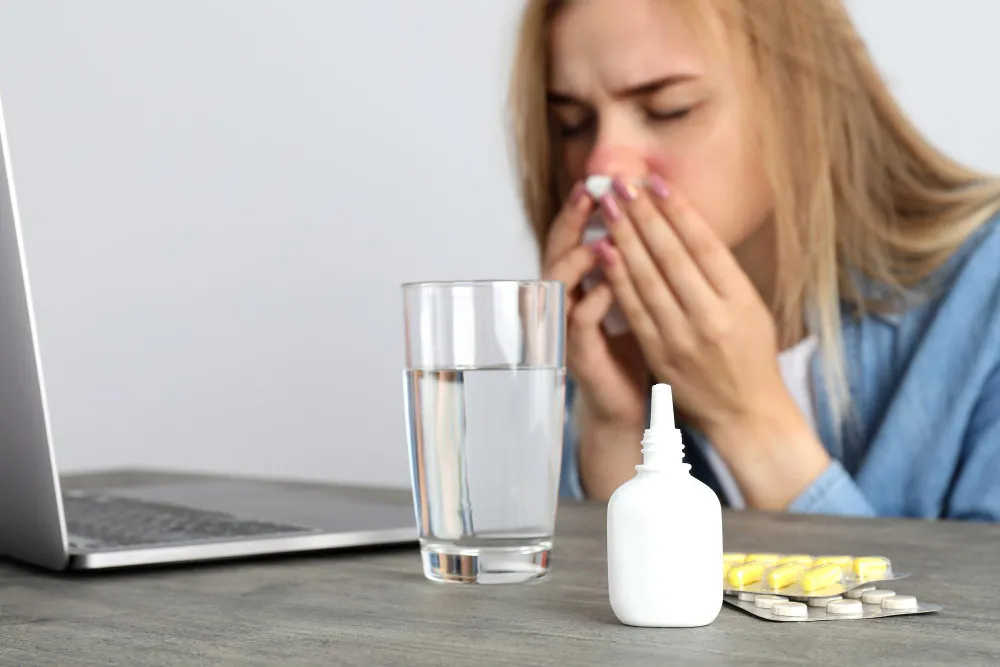
Bacterial sinus infections do respond to antibiotics, but recovery is rarely quick. The sinuses are closed cavities, so mucus builds up inside them and does not drain the way other infections do. This situation means that even the right medication may take several days before you start feeling a difference.
The frustrating aspect of the treatment is that pressure, drainage, and fatigue can persist well into the first week. That does not mean the antibiotic is failing. It simply means the body needs time to recover from the infection.
This article covers how long does a sinus infection last with antibiotics, the physical changes that signal healing is underway, and when to return to your doctor if symptoms are not improving.
Do You Even Need Antibiotics for a Sinus Infection?
It is a common mistake to think every stuffy nose needs antibiotics. Many sinus infections are caused by viruses, and antibiotics do not treat viral infections. Antibiotics only target bacteria. Taking them for a viral infection will not help and can reduce their effectiveness over time, as unnecessary use allows bacteria to adapt and develop resistance.
Doctors typically assess the duration and severity of symptoms before prescribing antibiotics. If your symptoms have lasted fewer than seven days and you do not have a high fever, the body can often clear the infection without medication.
However, if the pressure persists for more than 10 days, it may indicate a bacterial infection that requires antibiotic treatment.
How Long Does a Sinus Infection Last With Antibiotics?

On average, a bacterial sinus infection lasts between 10 to 14 days, but antibiotics usually reduce the severity and duration of symptoms. Once you start a prescription, you are looking at a recovery window that depends heavily on the type of medication and how long the infection has been present.
Most healthcare providers prescribe a 5-day to 10-day course of antibiotics. While the bacteria might start dying off immediately, your sinuses are narrow, bony passages. Even after the germs go away, the inflammation and leftover mucus take a few extra days to drain completely.
If you want to know exactly how long antibiotics take to work on sinus infections, pay attention to the 48-to-72-hour mark. Many people begin noticing symptom relief during this period.
Doctors do not guess how long a sinus infection will last. They follow established timelines to classify the type and duration of the infection. According to the Allergy and Asthma Network, a sinus infection can last for weeks, months, or even years in certain cases.
Most cases fall into one of these three categories:
- Acute Sinusitis: This is the most common form. It lasts for 4 weeks or less. In many situations, it resolves on its own, but you should consult a physician if your symptoms persist for more than 7 to 10 days.
- Subacute Sinusitis: This stage lasts between 4 and 8 weeks. At this point, symptoms continue to hang around even if you are receiving medical care. It is often a sign that the infection is becoming stubborn.
- Chronic Sinusitis: It is a long-term condition that lasts for 8 weeks or longer. These symptoms usually persist despite basic treatments. A healthcare provider will often need to check for underlying issues like allergies or nasal blockages to identify a permanent fix.
Signs Your Sinus Infection Is Getting Better
It is hard to tell if you are actually healing or experiencing temporary symptom relief after taking ibuprofen. Here are some specific signs that a sinus infection is getting better.
Thinning Mucus
This change is one of the clearest signs of recovery. When you are at your worst, mucus is usually thick, sticky, and dark yellow or green. As you heal, it becomes thinner and more watery and eventually turns clear.
Reduced Facial Pressure
That “heavy” feeling behind your eyes and cheeks starts to lift. You might notice that bending over to tie your shoes doesn’t cause a sharp throb in your face anymore.
Easier Breathing
You will find yourself using fewer tissues. The swelling inside your nasal passages goes down, allowing air to actually move through your nose again.
Energy Return
Bacterial infections trigger an immune response that leaves you wiped out. When the antibiotic begins reducing the infection, mental fatigue and difficulty concentrating begin to improve.
These shifts are the most reliable signs a sinus infection is getting better. If your energy levels are rising and your sinus headache is becoming less frequent, the treatment is effective.
When a Sinus Infection Is NOT Getting Better

You should watch for a specific pattern called double worsening. This is a big warning sign where you feel like you are getting better, but then your symptoms suddenly get worse again. Look out for these signs:
In some cases, antibiotics do not improve the infection. This usually happens for two reasons: the infection is actually viral, or the bacteria are resistant to the specific antibiotic you were prescribed.
Watch out for these red flags:
- The 5-Day Wall: If you have taken your medicine faithfully for 5 days and feel exactly the same (or worse), the antibiotic may not be effective against the bacteria causing the infection.
- High Fever: A fever that stays above 102°F or spikes after a few days of treatment is a sign that the infection may not be responding well to treatment.
- Severe Swelling: Seek emergency care immediately if you notice redness or swelling around your eyes, develop a stiff neck, or experience severe confusion.
Double Worsening Pattern in Sinus Infection Explained
This is a specific pattern that doctors look for to confirm a bacterial infection. The “Double Worsening” pattern happens when you get a cold, start to feel better after a few days, and then suddenly your symptoms return and become more severe.
This condition happens because a viral cold can trap fluid in your sinuses. Inside the sinuses, bacteria can grow due to the trapped fluid. You may think you are recovering, but then the facial pain returns, your fever spikes, and you feel worse than you did at the start.
If you experience this “better-than-worse” cycle, it is a classic sign that a bacterial infection has developed after the viral illness, and this period is exactly when antibiotics are most necessary.
How Fast Do Antibiotics Work for a Sinus Infection?
You should start seeing the first signs of sinus infection getting better with antibiotics within 2 to 5 days.
The first 24 hours are usually quiet. By day two or three, the concentration of the medicine in your bloodstream is high enough to significantly stop the bacteria from multiplying. According to WebMD, if you do not feel even a slight improvement after 72 hours, it is worth a follow-up call to your provider.
Antibiotics take time to work because they are not painkillers. They do not instantly numb the pressure. They physically dismantle the bacterial cell walls. While they do that, you still have to deal with the existing inflammation. Due to this phenomenon, many people use a saline rinse alongside their medication to help remove mucus and reduce nasal blockage.
What If Antibiotics Aren’t Working?
Sometimes you might finish all your medicine and still feel like you cannot breathe. This condition is frustrating, but it happens to many people. There are a few simple reasons why your antibiotics were ineffective.
It is possible that your infection was caused by a virus. Antibiotics only kill bacteria. If a virus is the cause, the medicine has nothing to fight. Another reason could be that the bacteria are too strong for that specific drug. This is called resistance. In such a case, you might need a different type of medicine to finally kill the germs.
Sometimes the bone inside your nose is not straight, which can block your nasal passages. When these paths are closed, fluid cannot get out. It keeps your face sore and swollen. No medicine will fix this on its own. If this happens, you should see a specialist. They can identify the block and help you address the underlying cause of the problem.
Conclusion
An antibiotic prescription is not an instant solution. Relief typically begins within three to five days, and full recovery takes up to two weeks. The most important part of treatment is completing the full course even when symptoms improve early. Track your symptoms daily, stay well-hydrated to keep mucus thin, and reach out to your provider if improvement has not started by the midpoint of treatment.
FAQs
This is most common when the full course of medication was not completed or when an underlying cause such as allergies or a structural blockage in the nasal passages was not addressed. The bacteria can return once the antibiotic is out of the system.
The antibiotic clears the bacteria, but the nasal lining stays inflamed for several more days. A saline rinse or humidifier can help reduce the remaining congestion while the tissue continues to heal.
Symptoms lasting more than four weeks indicate a sub-acute infection that needs further evaluation. Anything beyond 12 weeks is classified as chronic sinusitis and requires a more thorough medical review to identify and treat the root cause.
Most people notice a difference within 2 to 5 days. While you won’t be 100% healed that quickly, you should begin to feel less facial pressure and pain during this period.
The most obvious signs of a sinus infection getting better start with a clear change in your nasal drainage. You will notice that the thick and discolored mucus begins to thin out until it eventually becomes watery and clear. At the same time, the sharp and heavy throbbing in your face will start to fade away. This happens because the swelling inside your passages is finally going down.
If you have been on antibiotics for 3 to 5 days with zero improvement, or if your symptoms become noticeably worse, contact your doctor. You may need a different class of antibiotics.
A sinus infection can get worse after getting better. This “double worsening” usually means a bacterial infection has developed on top of an initial viral cold. This is one reason doctors may prescribe antibiotics.
Antibiotics do not always work for sinus infections because these medications are only designed to kill bacteria. If a virus or seasonal allergies caused your illness, then an antibiotic will not provide any relief. Most doctors suggest waiting for 7 to 10 days before they write a prescription for you. This waiting period allows your provider to see if your body can clear the infection naturally without the need for extra medicine.











Add comment