

Migraines affect about 20.7% of women compared to 9.7% of men, making women around two times more vulnerable than men. This difference becomes especially pronounced during the reproductive years, mainly due to hormonal fluctuations that influence pain sensitivity and migraine pathways.
Before puberty, girls and boys can get migraines at roughly the same rate. As hormonal changes begin and menstruation starts, migraine frequency increases significantly in females, highlighting the role hormones play in triggering attacks.
In this guide, we will explore what causes migraines in females and the symptoms that indicate it’s time to get medical help.
Menstrual Migraine vs Regular Migraine
A menstrual migraine is a headache that shows up in the days right before or during your period, and it tends to hit harder than a regular migraine. Most women feel it two days before bleeding starts or in the first three days of the cycle. The pain often lasts longer, responds slowly to usual painkillers, and comes back more than once in the same window.
The trigger behind this headache is estrogen withdrawal. Right before your period, estrogen levels drop fast, and that sudden fall makes the brain more sensitive to pain. A regular migraine can fire off any day of the month from stress, skipped meals, poor sleep, or bright lights. A menstrual one runs on a schedule you can almost mark on a calendar.
Another difference catches many women off guard. Menstrual migraines usually show up without aura, so you may not get the flashing lights or visual warning that some people expect before an attack. The headache just lands. That is one reason these attacks feel more disabling. There is little time to take medicine early or pull back from your day.
Besides estrogen, progesterone changes also affect migraine. The interaction between these two hormones throughout the menstrual cycle influences both the frequency and severity of migraine attacks. This is why hormonal migraines in women behave so differently from a tension headache or a one-off migraine after a bad night of sleep.
If you want a quick way to tell them apart, look at the timing and pattern. Regular migraine triggers are scattered and unpredictable. Menstrual migraine symptoms cluster around your period, repeat month after month, and often shrug off the first dose of over-the-counter relief. According to the American Migraine Foundation, menstrual attacks are frequently more severe and harder to treat than migraines that strike at other times.
What Causes Migraines in Females?
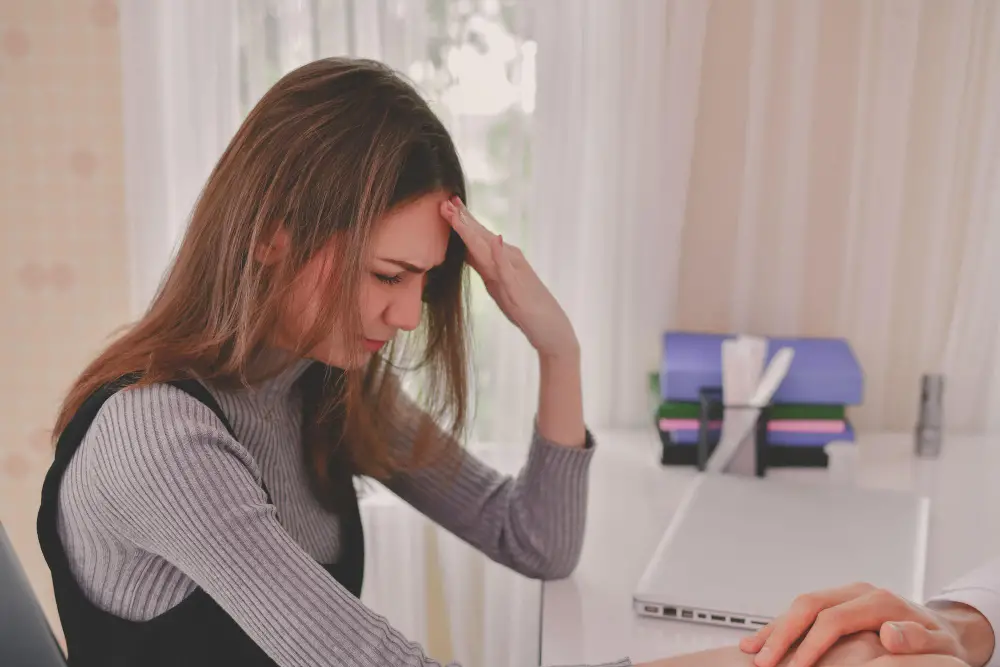
Female migraine causes are largely influenced by hormonal changes and life-stage factors. Fluctuations in estrogen affect how the brain processes pain and responds to common migraine triggers. Below are the key hormonal and lifestyle-related causes of migraines in women.
1. Hormonal Changes Throughout Life
Hormonal shifts, especially involving estrogen, play a significant role in what causes migraines in women. When estrogen levels drop suddenly, the nervous system becomes more sensitive, often causing a migraine in women. This pattern commonly appears just before menstruation and during the first few days of the cycle.
Research supports this hormonal connection. Between 60% and 70% of women with migraines can trace their attacks directly to their menstrual cycle. These attacks are known as menstrual migraines, and they are often more intense and longer-lasting than other migraine types.
Pregnancy affects migraines by altering estrogen stability. Some women experience fewer migraines because estrogen levels remain more consistent during pregnancy. Others struggle more, especially during the first trimester or right after delivery when estrogen levels crash.
During perimenopause, irregular hormonal fluctuations can increase migraine frequency and severity. However, once menopause is complete, and hormone levels stabilize at lower levels, many women find that their migraines improve or become less frequent.
2. Birth Control and Hormone Therapy
Birth control pills can affect migraines differently depending on how they influence estrogen levels. Traditional combination pills include a hormone-free break each month, which causes a sudden drop in estrogen and can trigger migraines in many women. This predictable estrogen withdrawal often leads to recurring attacks.
Research on women using hormonal contraceptives reflects this variability:
- 18% to 50% reported worsening their migraine
- 3% to 35% noticed improvement
- 39% to 65% experienced no real change in attack frequency
The cause of migraines in women taking birth control is closely tied to how much estrogen fluctuates. Continuous-dosing methods or progesterone-only options work better for some women because they help keep hormone levels more stable.
3. Genetics and Family History
If your mother or sister deals with migraines, your chances of getting them increase dramatically. Research shows that having one parent with migraines gives you a 50% chance of developing them yourself. When both parents have migraines, that risk jumps to 75%.
Scientists have identified over 170 genetic variations linked to migraine susceptibility. These genes don’t guarantee you’ll get migraines, but they make your brain more sensitive to triggers. This is the reason why migraines often run in families and why some women are more vulnerable than others.
4. Chronic Stress and Disturbed Daily Routines
Women often handle multiple responsibilities at once. Balancing careers, childcare, household tasks, and social commitments creates constant pressure. This ongoing stress keeps your nervous system on high alert and makes your brain more reactive to migraine triggers.
Sleep plays an equally important role. Irregular sleep schedules or poor sleep quality directly affect migraine frequency. Going to bed at different times each night or getting less than seven hours of sleep can trigger attacks. Missing meals while rushing through a busy day also lowers blood sugar levels, which your brain doesn’t handle well when you are already prone to migraines.
5. Common Environmental and Lifestyle Triggers
Beyond hormones and daily stressors, specific environmental exposures and lifestyle choices can also trigger migraines in women. These factors often overstimulate the nervous system or disrupt physical balance and increase the likelihood of migraines.
- Dehydration from not drinking enough water
- Bright lights, flickering screens, or fluorescent lighting
- Strong smells like perfume or cleaning products
- Certain foods, such as aged cheese, chocolate, or processed meats
- Too much caffeine or sudden caffeine withdrawal
- Intense physical exercise or exertion
Migraine Symptoms in Women
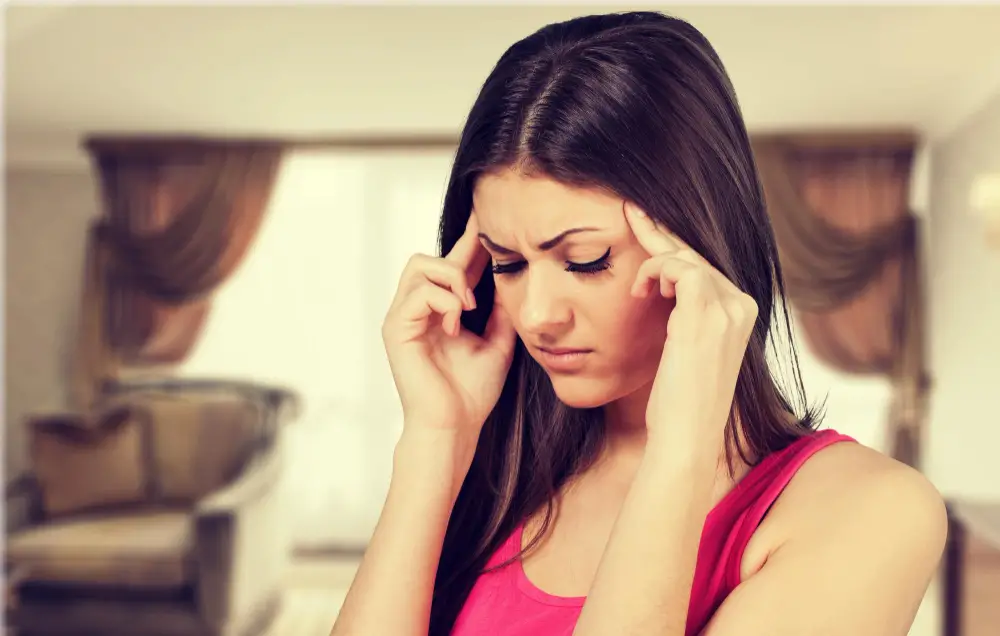
Migraine headaches in women usually start with intense and throbbing pain on one side of the head. The pain can last anywhere from four hours to three full days without treatment.
You might also experience:
- Nausea or vomiting that makes eating impossible
- Extreme light sensitivity that forces you into dark rooms
- Sound sensitivity where normal noise becomes unbearable
- Dizziness or feeling unsteady on your feet
- Visual disturbances like flashing lights or blind spots
About 20 per cent of women also get an aura (warning sign) before the headache hits. These temporary sensory symptoms include partial vision loss or tingling in your hands or face.
At-Home Migraine Relief Tips for Women
The fastest at-home relief for most migraines is rest in a cool, dark room, water, and an over-the-counter pain reliever taken at the first sign of an attack. Acting early matters more than anything else. Once the pain peaks, medicine works more slowly and the attack drags on.
Here is what actually helps when a migraine starts:
- Get into a dark, quiet room. Light and sound make migraine pain worse. Close the blinds, turn off screens, and lie down if you can.
- Drink water. Dehydration is a common migraine trigger and one of the easiest to address. Aim to stay hydrated throughout the day rather than drinking large amounts of water all at once.
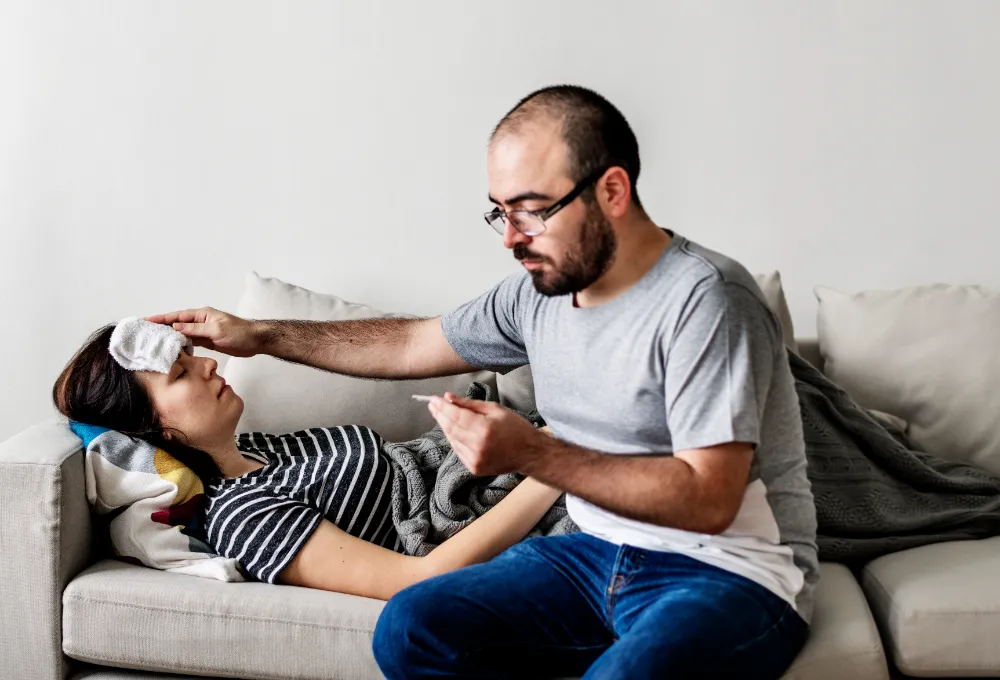
- Use a cold compress. A cool cloth or ice pack on your forehead or the back of your neck can dull the throb for some people.
- Take OTC pain relief early. Ibuprofen, naproxen, or acetaminophen may help if you take them as soon as symptoms begin. Follow the dose on the label and do not use them more than a couple of days a week, since frequent use can lead to rebound headaches.
- Have a small snack if you skipped a meal. Low blood sugar can set off an attack, so a light snack may stop one before it builds.
- Manage caffeine intake carefully. A small amount of caffeine may help relieve an early migraine for some people, but excessive consumption or sudden withdrawal can trigger an attack. Maintaining a consistent daily intake can help reduce the risk of caffeine-related migraines.
How to Prepare for a Migraine Appointment
The best way to prepare for a migraine appointment is to bring a written record of your attacks so your provider can see the pattern, not just hear about one bad day. Memory fades fast under pain. A short log gives the provider real detail to work with and saves you from trying to recall everything on the spot.
Before your visit, track these things for two to four weeks if you can:
- When each migraine happens, and the time of day it starts
- How long does it last, from the first sign to the moment it fully clears
- Where the pain sits and how it feels, such as throbbing on one side or pressure behind the eyes
- Other symptoms like nausea, light sensitivity, aura, or dizziness
- Your period timing, since cycle-linked attacks change the plan
- Sleep, meals, and stress in the days around each attack
- Any medicine you took, and whether it helped
- Possible triggers you noticed, such as certain foods, bright lights, or strong smells
Bring a current list of every medication and supplement you take, including birth control. This information is important. If you get migraines with aura while you are taking birth control pills that contain estrogen, your provider needs to know, because that combination can raise stroke risk and may call for a different option.
When to Seek Medical Help
Frequent migraines that disrupt your everyday routine deserve professional attention. If attacks happen more than a few times per month or keep you from working and enjoying life, it’s time to get help.
Watch for warning signs that need immediate care:
- A migraine lasting more than 72 hours straight
- Sudden, severe headache, unlike your usual pattern
- Weakness or numbness on one side of your body
- Difficulty speaking or understanding speech
These symptoms could signal serious complications. If they develop, don’t wait and contact a healthcare provider right away. If you’re unable to visit your doctor in person, telehealth services can also provide timely medical support.
Simple Consult is a convenient telehealth option if you are looking for online help. Our licensed nurse practitioners are available for same-day online visits at a flat $29 fee, no insurance required. You can talk about your symptoms and get advice from home.
Conclusion
Migraines hit women harder and more often because of the way hormones interact with brain chemistry. Natural fluctuations in estrogen during the menstrual cycle, pregnancy, and menopause create periods when migraine attacks are more likely to occur.
Treatment options range from over-the-counter medications to prescription drugs and lifestyle adjustments. What works varies from person to person. Finding your solution takes patience and sometimes professional guidance.
Frequently Asked Questions
What are the most common migraine triggers in women?
Hormonal shifts during menstruation top the list, affecting 60 to 70 percent of women with migraines. Stress, irregular sleep, skipping meals, certain foods, caffeine changes, and bright lights also frequently trigger attacks.
Are migraines more common in women just because of hormonal changes?
Hormones are a major factor, but not the only one. Genetics, chronic stress, environmental triggers, and potentially lower pain thresholds in women all contribute to higher migraine rates.
What factors increase migraine symptoms in women?
Using estrogen-containing birth control while experiencing aura-type migraines can intensify symptoms. Hormone fluctuations during perimenopause and chronic stress from multiple responsibilities can also increase the frequency of attacks.
What causes migraines in females after puberty?
Migraines often start in girls after puberty because estrogen levels begin rising and falling with the menstrual cycle. Before puberty, boys and girls get migraines at about the same rate. Once periods begin, the hormone swings make the brain more sensitive to triggers, which is why puberty and migraines are so closely linked in girls.
Are menstrual migraines different from regular migraines?
Most women feel the difference in menstrual migraines and regular migraines. A menstrual migraine shows up before or during your period, and it usually hits harder than your everyday headache. It hangs around longer, feels more intense, and often shrugs off the first round of painkillers. The other tell is timing. These attacks follow a monthly rhythm you can almost predict, while a regular migraine can appear unexpectedly after a stressful week, a bad night of sleep, or a meal you skipped.
Can migraines get worse during perimenopause?
During perimenopause, your estrogen does not just drop; it jumps around in a way that is particularly difficult to predict. That up and down motion makes the brain more reactive, so attacks can come more often or feel rougher than before. Then layer in the broken sleep, the mood swings, and the extra stress that tend to ride along with this stage. All of it stacks up, and migraines usually get the worst of it.
Do migraines improve after menopause?
Migraines after menopause often become less frequent because hormone levels settle and stop swinging the way they did during the cycle. Still, this outcome is not guaranteed. Some women continue to get migraines after menopause, especially if other triggers, such as stress or sleep problems, remain.
Can birth control affect migraine safety?
Some estrogen-containing birth control pills may not be safe for women who get migraines with aura, because the combination can raise stroke risk. A healthcare provider can help you weigh the options and may suggest a progesterone-only method or a different approach. Always mention aura symptoms before starting a new pill.
When should a woman see a doctor for migraines?
A woman should see a doctor for migraines when attacks happen often, get worse over time, stop responding to usual treatment, or interfere with work and daily life. Knowing when to see a doctor for migraines also means watching for warning signs like new vision changes, weakness, or a sudden, severe headache, which need urgent care.
What should I track before a migraine appointment?
Track when each migraine starts, how long it lasts, where the pain sits, and what other symptoms show up. Note your period timing, sleep, meals, stress, and any medicine you took. A simple migraine diary like this helps your provider spot triggers and build a treatment plan that actually fits your pattern.










Add comment